Transfer-pricing aggregation of distinct support-service and subcontract transactions was rejected, while debt-free receivables attracted no notional ...
Customs exemptions cover photovoltaic assembly machinery and PVF backsheets, while fully declared cleared imports may avoid confiscation and penalties...
Specific tariff classification for LCD devices overrides treatment as electricity-meter parts, defeating differential duty, extended limitation, and p...
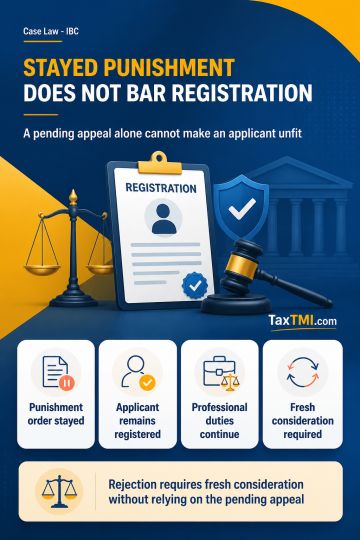
Stayed disciplinary punishment does not establish unfitness for insolvency professional registration; reconsideration must disregard mere pendency of ...
Indirect corporate control can create related-party status, excluding financial creditors from Committee of Creditors representation, participation an...
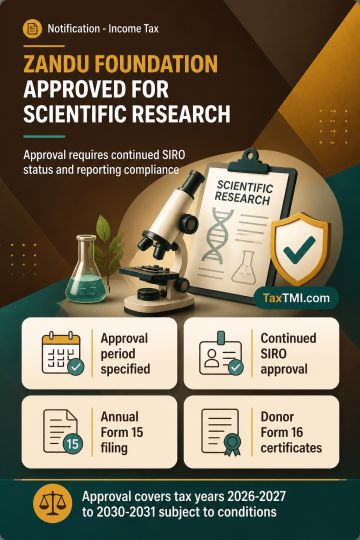
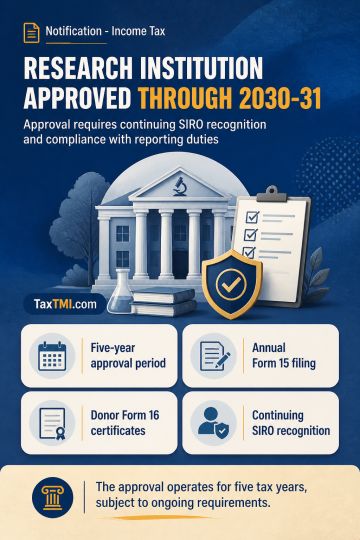
Scientific research association approval requires continuing SIRO status, annual donation reporting, and donor certificates for the approved foundatio...
AAAR held that transportation services provided by appellant to school students and staff do not qualify for GST exemption under Serial No.66 of Notification 12/2017-Central Tax (Rate). The contractual arrangements demonstrated that appellant directly supplied transportation services to students/staff with fees collected from parents, while educational institutions neither provided nor received services in the transaction. The exemption notification requires services to be provided by or to educational institutions, which was not established. AAAR emphasized strict interpretation of exemption notifications with burden of proof on claimant. The ruling distinguished previous AAR decisions as non-binding and factually dissimilar, concluding exemption unavailable under present circumstances.
AAAR held that transportation services provided by appellant to school students and staff do not qualify for GST exemption under Serial No.66 of Notification 12/2017-Central Tax (Rate). The contractual arrangements demonstrated that appellant directly supplied transportation services to students/staff with fees collected from parents, while educational institutions neither provided nor received services in the transaction. The exemption notification requires services to be provided by or to educational institutions, which was not established. AAAR emphasized strict interpretation of exemption notifications with burden of proof on claimant. The ruling distinguished previous AAR decisions as non-binding and factually dissimilar, concluding exemption unavailable under present circumstances.
Note: It is a system-generated summary and is for quick reference only.
 TaxTMI
  TaxTMI
 of 4886