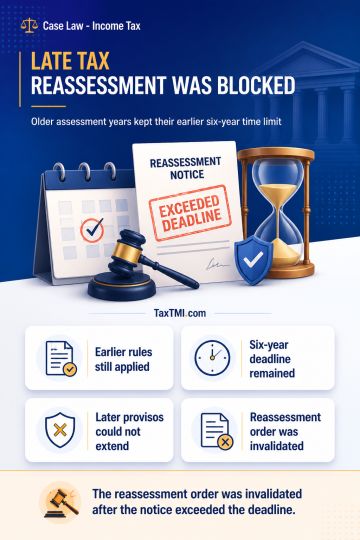
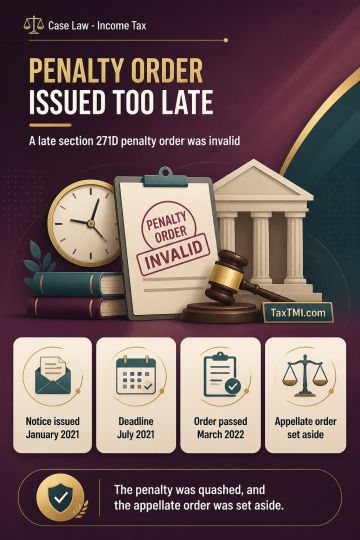
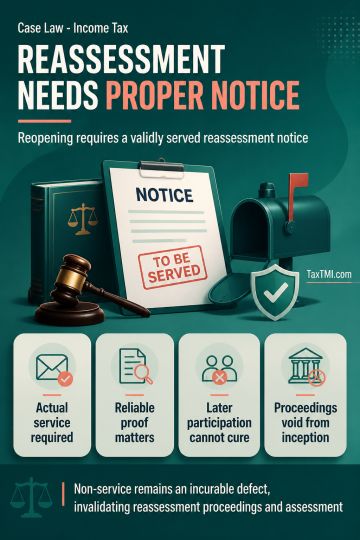
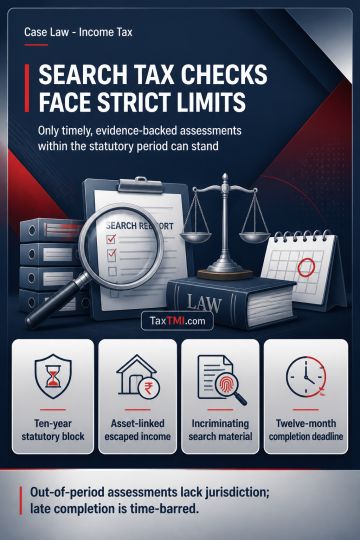
Pre-amendment reassessment limitation bars late notices under the preserved regime, invalidating consequential reassessment for affected earlier asses...
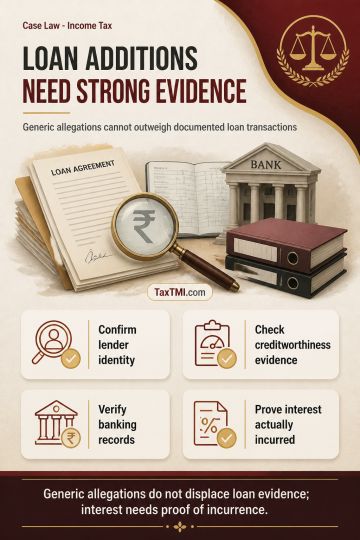
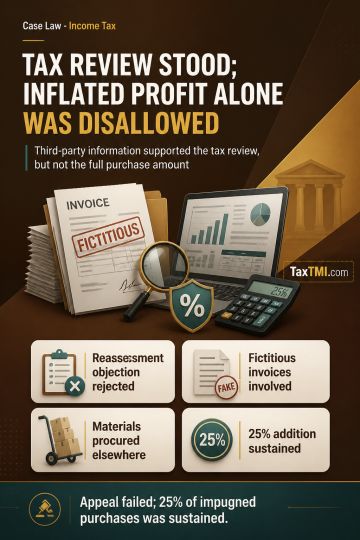
Cash-sales explanations for bank deposits require documentary reconciliation; reassessment notice survived where effective response time was available...
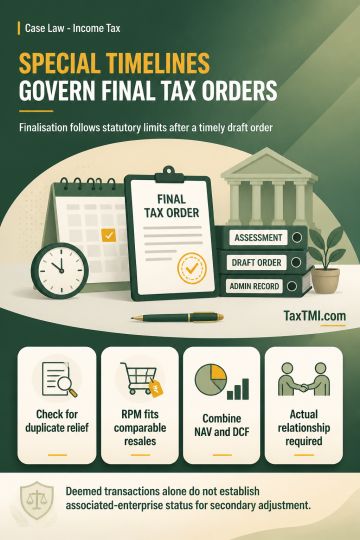
Functional comparability in transfer pricing prevents ad hoc arm's length adjustments where functions, assets, risks and reliable comparables are unes...
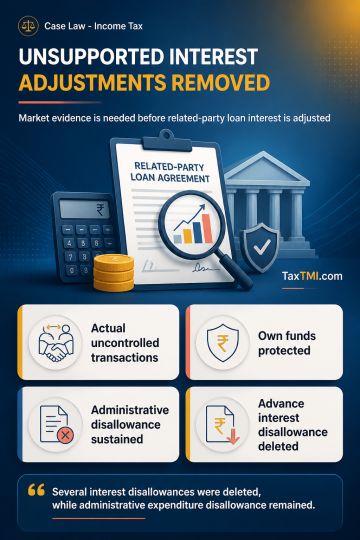
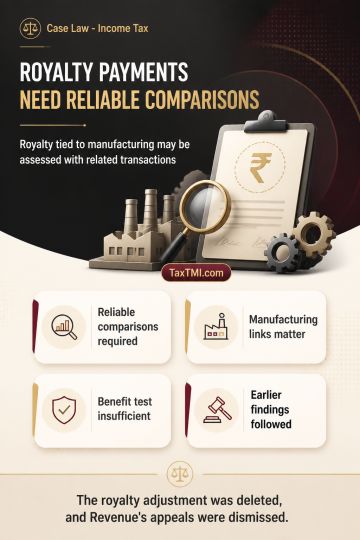
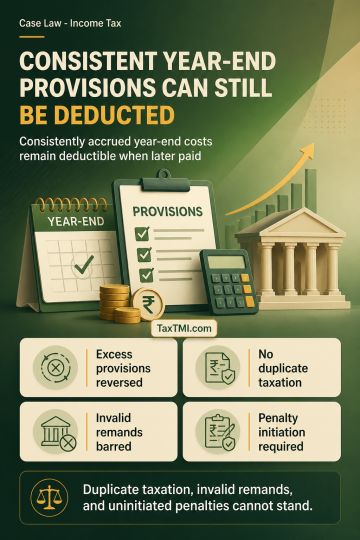
Contingency expenses, exempt-income disallowance, and royalty benchmarking: unsupported adjustments were deleted under consistent accounting and trans...
The HC quashed criminal proceedings under Sections 138/141 of the Negotiable Instruments Act against a Company Secretary in a dishonoured cheque case. The Court held that the trial court mechanically issued summons without conducting mandatory inquiry under Section 202 CrPC, violating procedural requirements. The petitioner, being merely a non-executive Company Secretary, was neither a director, shareholder, nor signatory to the dishonoured cheque, and had no role in day-to-day business affairs or financial transactions. The complainant failed to establish the Company Secretary's responsibility for the company's conduct. The Court exercised inherent powers under Section 482 CrPC to prevent abuse of process, finding insufficient grounds to proceed against a person with limited liability who was not in charge of business operations.
The HC quashed criminal proceedings under Sections 138/141 of the Negotiable Instruments Act against a Company Secretary in a dishonoured cheque case. The Court held that the trial court mechanically issued summons without conducting mandatory inquiry under Section 202 CrPC, violating procedural requirements. The petitioner, being merely a non-executive Company Secretary, was neither a director, shareholder, nor signatory to the dishonoured cheque, and had no role in day-to-day business affairs or financial transactions. The complainant failed to establish the Company Secretary's responsibility for the company's conduct. The Court exercised inherent powers under Section 482 CrPC to prevent abuse of process, finding insufficient grounds to proceed against a person with limited liability who was not in charge of business operations.
Note: It is a system-generated summary and is for quick reference only.
 TaxTMI
 TaxTMI

 of 4918