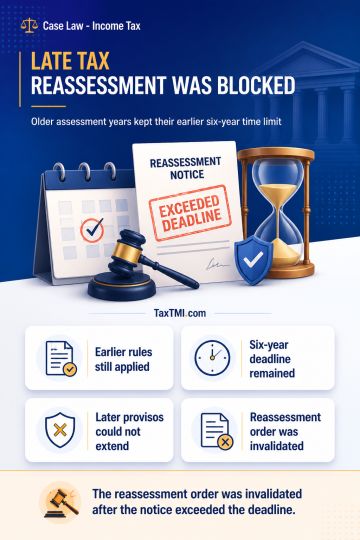
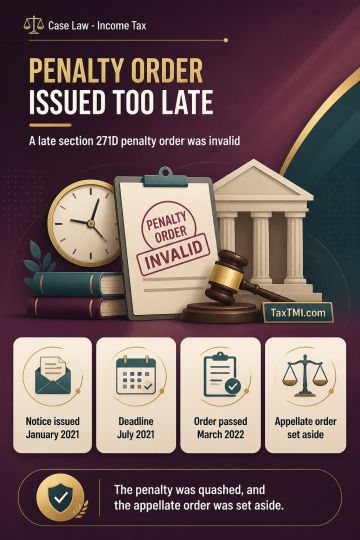
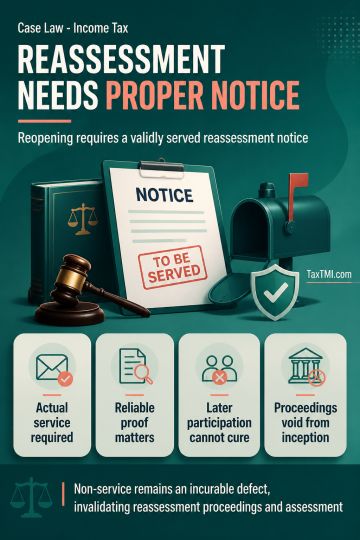
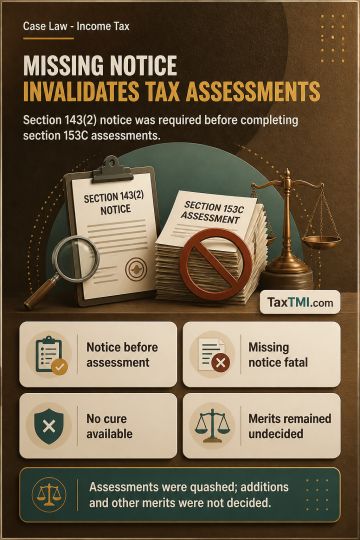
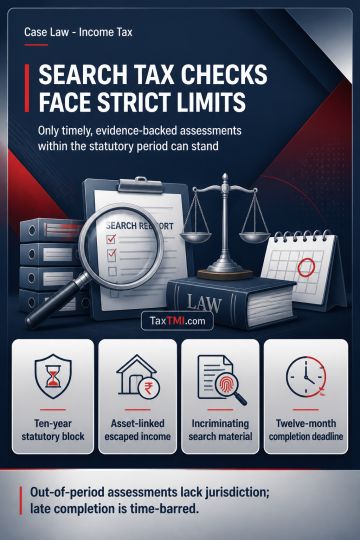
Pre-amendment reassessment limitation bars late notices under the preserved regime, invalidating consequential reassessment for affected earlier asses...
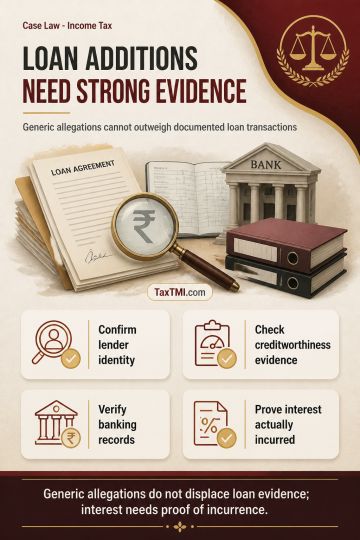
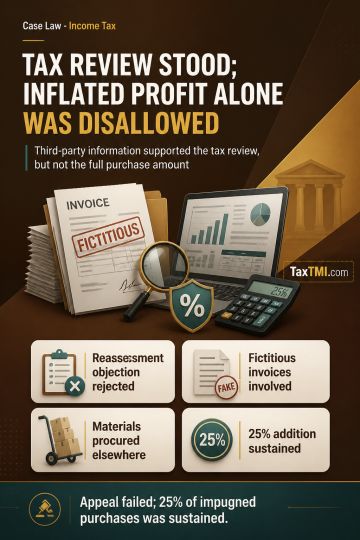
Cash-sales explanations for bank deposits require documentary reconciliation; reassessment notice survived where effective response time was available...
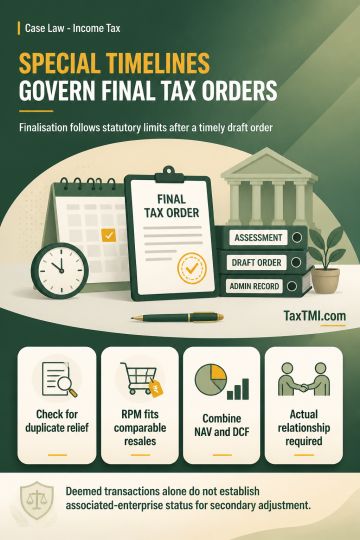
Functional comparability in transfer pricing prevents ad hoc arm's length adjustments where functions, assets, risks and reliable comparables are unes...
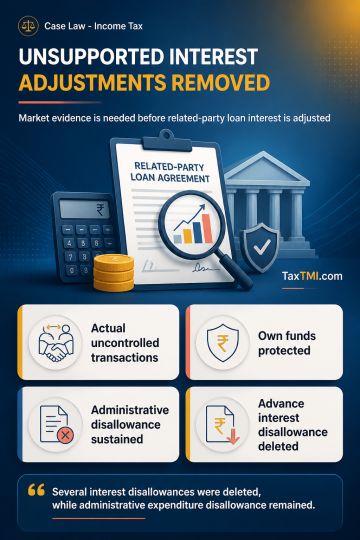
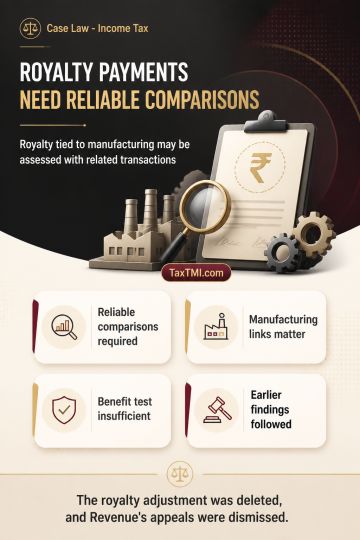
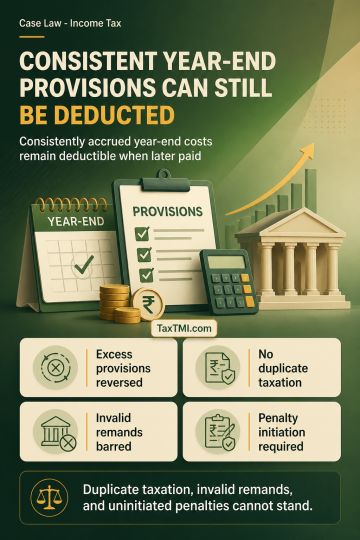
Contingency expenses, exempt-income disallowance, and royalty benchmarking: unsupported adjustments were deleted under consistent accounting and trans...
ITAT quashed Principal CIT's revision order under section 263 regarding disallowance of section 80G deduction for charitable donations. The assessee was selected for scrutiny due to large donation amounts. The assessing officer examined and disallowed donations to Urvashi Foundations but implicitly accepted other charitable donations after receiving required details. ITAT held that the assessing officer's decision to allow 50% deduction under section 80G for CSR expenses was consistent with tribunal precedents, citing DCIT v Gabriel India. The tribunal concluded that twin conditions for exercising section 263 jurisdiction were not satisfied as the assessment order was neither erroneous nor prejudicial to revenue interests, making the revision order unsustainable.
ITAT quashed Principal CIT's revision order under section 263 regarding disallowance of section 80G deduction for charitable donations. The assessee was selected for scrutiny due to large donation amounts. The assessing officer examined and disallowed donations to Urvashi Foundations but implicitly accepted other charitable donations after receiving required details. ITAT held that the assessing officer's decision to allow 50% deduction under section 80G for CSR expenses was consistent with tribunal precedents, citing DCIT v Gabriel India. The tribunal concluded that twin conditions for exercising section 263 jurisdiction were not satisfied as the assessment order was neither erroneous nor prejudicial to revenue interests, making the revision order unsustainable.
Note: It is a system-generated summary and is for quick reference only.
 TaxTMI
 TaxTMI

 of 4918