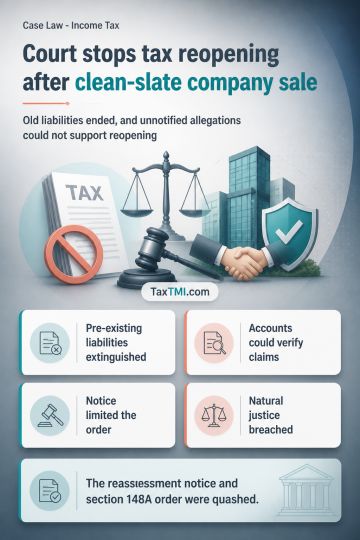
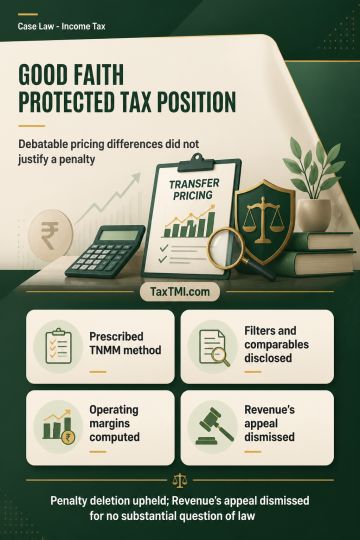
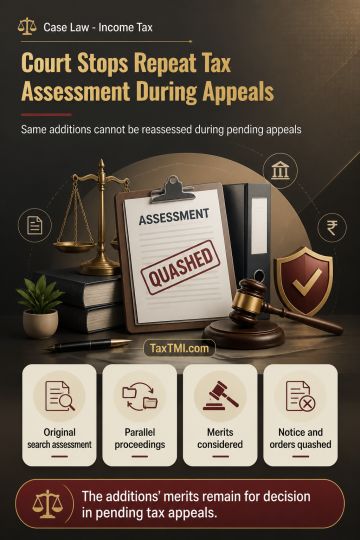
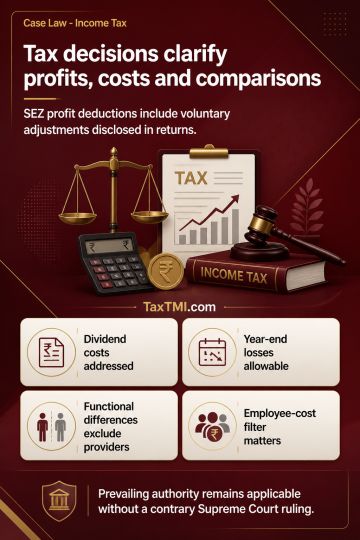
SEZ-unit profit deduction covers voluntary transfer-pricing adjustments, while exempt-income costs, foreign-exchange loss and ITeS comparables are exa...
Page of 4884
Press 'Enter' after typing page number.
221 to 240 of 97661 Results
❮
❯
❯❯
0 / 200
Expand Note
Add to Folder
No Folders have been created
+
Are you sure you want to delete "My most important" ?
HC set aside the assessment order due to procedural deficiencies in notice service. Despite portal upload, the court found insufficient efforts to ensure effective communication with the petitioner. The HC emphasized that merely uploading notices on the GST portal does not constitute proper service, especially when alternative notification methods under Section 169 were available. The court highlighted the need for officers to apply due diligence in serving notices to prevent ex parte orders that could lead to unnecessary litigation. The matter was remanded for fresh consideration, with the petitioner willing to pay 25% of the disputed tax, thus ensuring principles of natural justice were upheld.
HC set aside the assessment order due to procedural deficiencies in notice service. Despite portal upload, the court found insufficient efforts to ensure effective communication with the petitioner. The HC emphasized that merely uploading notices on the GST portal does not constitute proper service, especially when alternative notification methods under Section 169 were available. The court highlighted the need for officers to apply due diligence in serving notices to prevent ex parte orders that could lead to unnecessary litigation. The matter was remanded for fresh consideration, with the petitioner willing to pay 25% of the disputed tax, thus ensuring principles of natural justice were upheld.
Note: It is a system-generated summary and is for quick reference only.
 TaxTMI
  TaxTMI
 of 4884