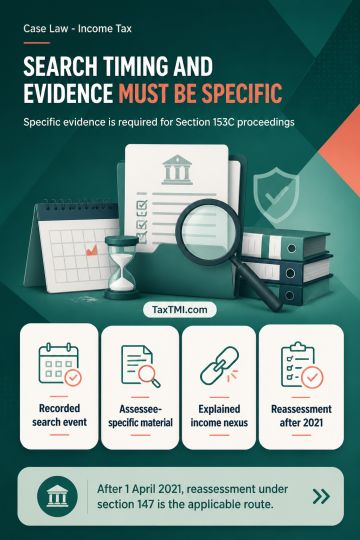
Section 153C jurisdiction requires timely deemed search and assessee-specific satisfaction material; otherwise reassessment must use the proper statut...
Credit-note turnover adjustments preserve inverted-duty refunds, while ministerial re-computation does not constitute an impermissible appellate reman...
HC denied bail in tax fraud case involving fraudulent Input Tax Credit (ITC) exceeding Rs. 11.97 crore. Despite petitioners' claims of being permanent residents, the court found substantial evidence of systematic tax evasion under CGST Act Sections 132(1)(b), 132(1)(c), and 132(1)(f). The court emphasized the potential risk to investigation process beyond physical disappearance, noting the ability to manipulate evidence and procedural systems. Given the significant public revenue implications and prima facie documentary evidence of fraudulent practices, the bail applications were dismissed, prioritizing the integrity of the ongoing financial investigation.
HC denied bail in tax fraud case involving fraudulent Input Tax Credit (ITC) exceeding Rs. 11.97 crore. Despite petitioners' claims of being permanent residents, the court found substantial evidence of systematic tax evasion under CGST Act Sections 132(1)(b), 132(1)(c), and 132(1)(f). The court emphasized the potential risk to investigation process beyond physical disappearance, noting the ability to manipulate evidence and procedural systems. Given the significant public revenue implications and prima facie documentary evidence of fraudulent practices, the bail applications were dismissed, prioritizing the integrity of the ongoing financial investigation.
Note: It is a system-generated summary and is for quick reference only.
 TaxTMI
  TaxTMI
 of 4897