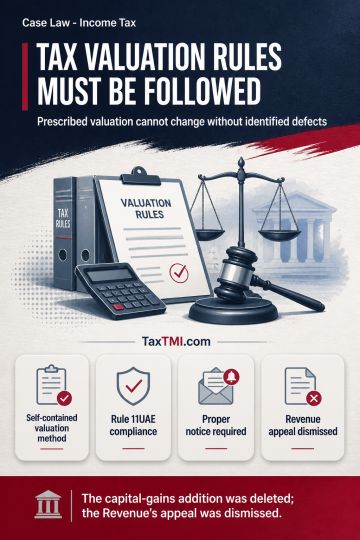
Commercial property status protects capital-gains exemption when residential-house ownership limits are tested, while agricultural-land character gove...
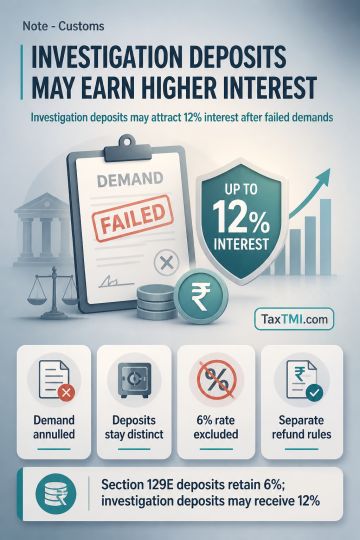
Investigation deposits refunded after failed customs demands fall outside the statutory appellate pre-deposit interest regime and may attract compensa...
Resolution plan finality extinguishes unquantified operational-creditor claims and pending proceedings unless the approved plan expressly preserves th...
Stakeholder-list modification permits liquidators to update entries on new information, subject to notifying the Adjudicating Authority within prescri...
HC denied bail in tax fraud case involving fraudulent Input Tax Credit (ITC) exceeding Rs. 11.97 crore. Despite petitioners' claims of being permanent residents, the court found substantial evidence of systematic tax evasion under CGST Act Sections 132(1)(b), 132(1)(c), and 132(1)(f). The court emphasized the potential risk to investigation process beyond physical disappearance, noting the ability to manipulate evidence and procedural systems. Given the significant public revenue implications and prima facie documentary evidence of fraudulent practices, the bail applications were dismissed, prioritizing the integrity of the ongoing financial investigation.
HC denied bail in tax fraud case involving fraudulent Input Tax Credit (ITC) exceeding Rs. 11.97 crore. Despite petitioners' claims of being permanent residents, the court found substantial evidence of systematic tax evasion under CGST Act Sections 132(1)(b), 132(1)(c), and 132(1)(f). The court emphasized the potential risk to investigation process beyond physical disappearance, noting the ability to manipulate evidence and procedural systems. Given the significant public revenue implications and prima facie documentary evidence of fraudulent practices, the bail applications were dismissed, prioritizing the integrity of the ongoing financial investigation.
Note: It is a system-generated summary and is for quick reference only.
 TaxTMI
  TaxTMI
 of 4886