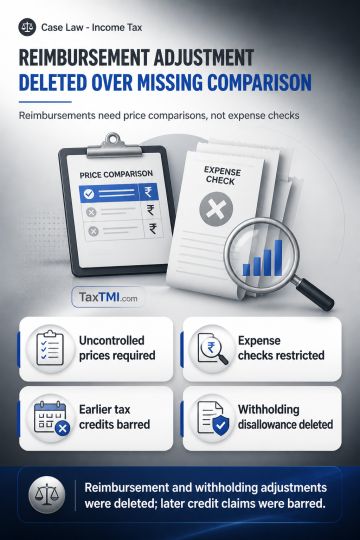
Transfer-pricing reimbursement adjustments require uncontrolled comparables and cannot become expense-genuineness reviews, resulting in deletion of th...
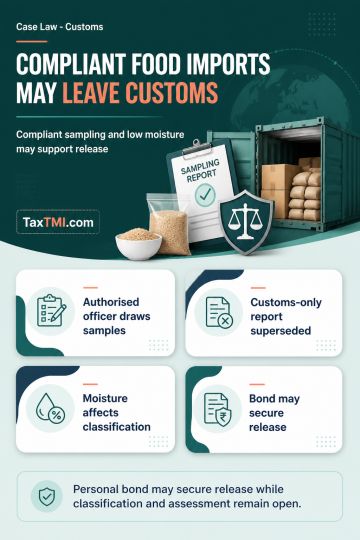
Food import sampling requirements support provisional release where unseized consignments conform to standards and raw areca classification is unestab...
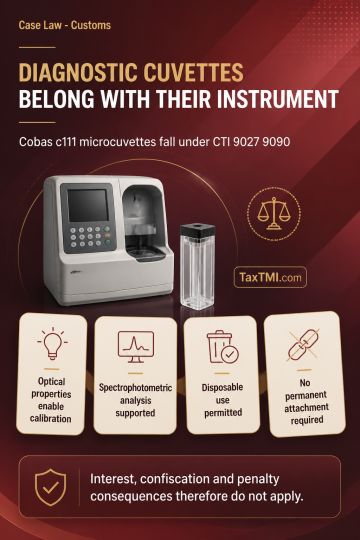
Diagnostic microcuvette classification follows sole-use analytical function, placing specialised disposable cuvettes with their analyser rather than g...
HC denied bail in tax fraud case involving fraudulent Input Tax Credit (ITC) exceeding Rs. 11.97 crore. Despite petitioners' claims of being permanent residents, the court found substantial evidence of systematic tax evasion under CGST Act Sections 132(1)(b), 132(1)(c), and 132(1)(f). The court emphasized the potential risk to investigation process beyond physical disappearance, noting the ability to manipulate evidence and procedural systems. Given the significant public revenue implications and prima facie documentary evidence of fraudulent practices, the bail applications were dismissed, prioritizing the integrity of the ongoing financial investigation.
HC denied bail in tax fraud case involving fraudulent Input Tax Credit (ITC) exceeding Rs. 11.97 crore. Despite petitioners' claims of being permanent residents, the court found substantial evidence of systematic tax evasion under CGST Act Sections 132(1)(b), 132(1)(c), and 132(1)(f). The court emphasized the potential risk to investigation process beyond physical disappearance, noting the ability to manipulate evidence and procedural systems. Given the significant public revenue implications and prima facie documentary evidence of fraudulent practices, the bail applications were dismissed, prioritizing the integrity of the ongoing financial investigation.
Note: It is a system-generated summary and is for quick reference only.
 TaxTMI
  TaxTMI
 of 4884