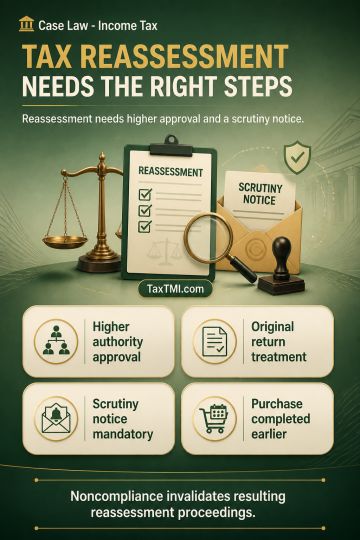
Opportunity to furnish unsecured-loan confirmations is required before reassessment initiation; proceedings require fresh consideration after taxpayer...
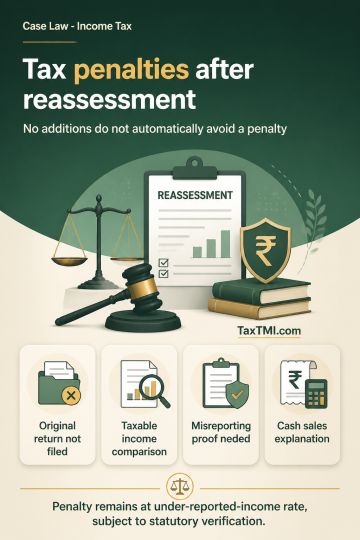
Under-reporting on a first reassessment return attracts penalty, while enhanced misreporting penalty requires proof of a statutory misreporting catego...
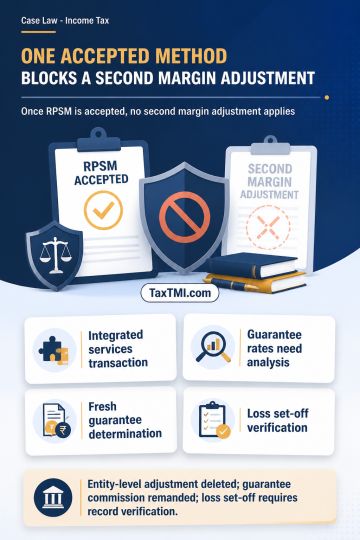
Form 26AS evidence requires successor-entity accounting verification after business transfer, while invoice-supported related-party advertising expend...
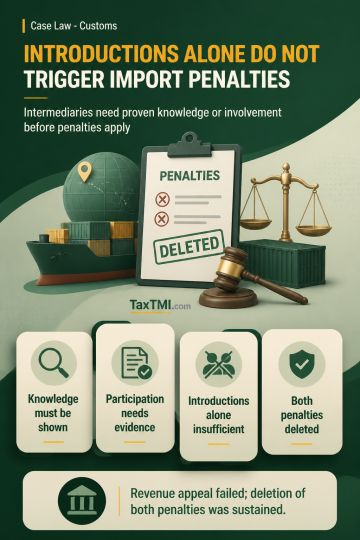
CESTAT adjudicated a case involving alleged illegal gold importation. The tribunal found procedural irregularities in the seizure, specifically the absence of a Panchnama (seizure record), which undermined the credibility of the proceedings against the appellants. The supplier was not made a party to the show cause notice, further weakening the case. Consequently, the tribunal set aside the confiscation order and ruled that the gold should be released to the claimed owner. No penalties were imposed on the appellants, effectively nullifying the original enforcement action due to substantive procedural defects in the investigative process.
CESTAT adjudicated a case involving alleged illegal gold importation. The tribunal found procedural irregularities in the seizure, specifically the absence of a Panchnama (seizure record), which undermined the credibility of the proceedings against the appellants. The supplier was not made a party to the show cause notice, further weakening the case. Consequently, the tribunal set aside the confiscation order and ruled that the gold should be released to the claimed owner. No penalties were imposed on the appellants, effectively nullifying the original enforcement action due to substantive procedural defects in the investigative process.
Note: It is a system-generated summary and is for quick reference only.
 TaxTMI
  TaxTMI
 of 4920