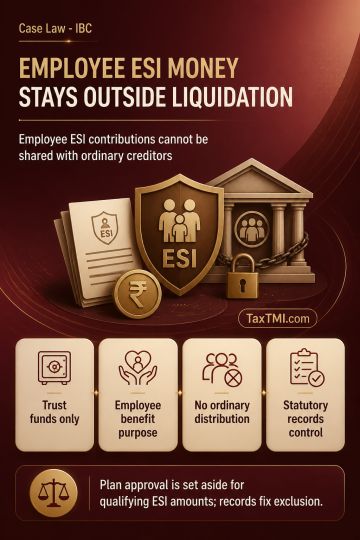
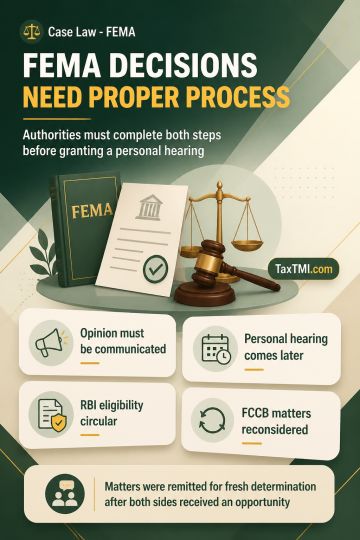
Fraud classification show-cause notices founded on inconclusive forensic audit material cannot sustain action, permitting fresh proceedings on conclus...
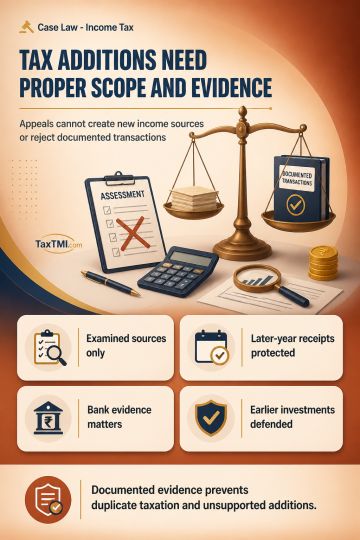
Appellate enhancement limits protect against new income sources, while documented credits and prior-year investments resist unexplained-income additio...
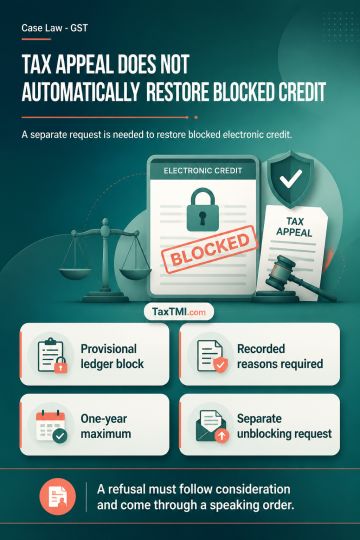
HC dismissed the writ petition involving fraudulent Input Tax Credit (ITC) availment. The Court held that adequate notice was provided to the Petitioner and, given the fraudulent nature of the case and potential impact on the GST regime, writ jurisdiction would not be exercised. The Petitioner was granted permission to file an appellate remedy by 15th July, 2025, with mandatory pre-deposit under Section 107 of CGST Act, 2017, ensuring the appeal would be adjudicated on merits without limitation bar. The petition was disposed of, directing the Petitioner to pursue alternative legal remedies.
HC dismissed the writ petition involving fraudulent Input Tax Credit (ITC) availment. The Court held that adequate notice was provided to the Petitioner and, given the fraudulent nature of the case and potential impact on the GST regime, writ jurisdiction would not be exercised. The Petitioner was granted permission to file an appellate remedy by 15th July, 2025, with mandatory pre-deposit under Section 107 of CGST Act, 2017, ensuring the appeal would be adjudicated on merits without limitation bar. The petition was disposed of, directing the Petitioner to pursue alternative legal remedies.
Note: It is a system-generated summary and is for quick reference only.
 TaxTMI
  TaxTMI
 of 4881