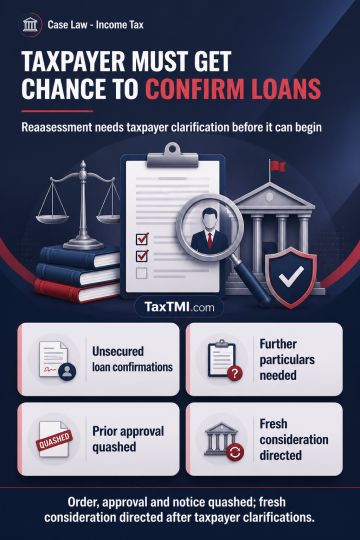
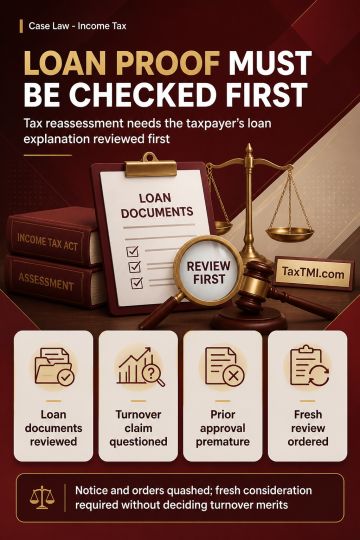
Opportunity to furnish unsecured-loan confirmations is required before reassessment initiation; proceedings require fresh consideration after taxpayer...
ITAT held that sales tax subsidy received from Dadra & Nagar Haveli is a revenue receipt, not a capital receipt. The tribunal determined the subsidy's nature based on its purpose, finding it was granted to assist ongoing business operations rather than for capital asset creation or expansion. The subsidy, provided annually from 2002 to 2016 after production commencement, was deemed taxable income. The assessee had no specific obligation to utilize the funds for a particular purpose, thus supporting its classification as a revenue receipt. Consequently, the appeal grounds were dismissed, affirming the Assessing Officer's original tax treatment.
ITAT held that sales tax subsidy received from Dadra & Nagar Haveli is a revenue receipt, not a capital receipt. The tribunal determined the subsidy's nature based on its purpose, finding it was granted to assist ongoing business operations rather than for capital asset creation or expansion. The subsidy, provided annually from 2002 to 2016 after production commencement, was deemed taxable income. The assessee had no specific obligation to utilize the funds for a particular purpose, thus supporting its classification as a revenue receipt. Consequently, the appeal grounds were dismissed, affirming the Assessing Officer's original tax treatment.
Note: It is a system-generated summary and is for quick reference only.
 TaxTMI
  TaxTMI
 of 4921