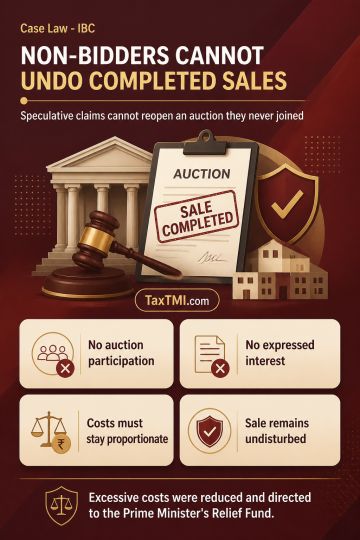
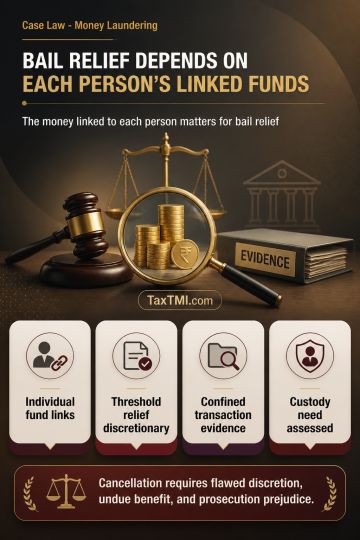
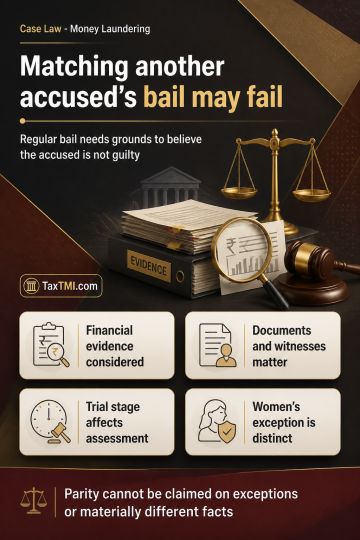
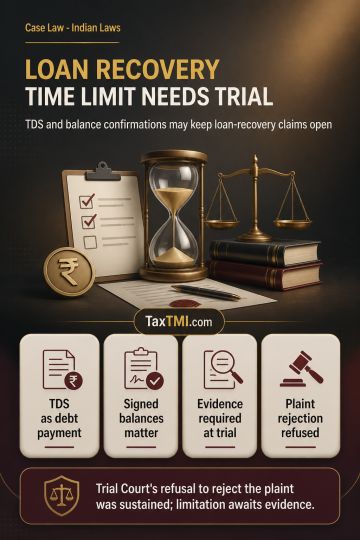
Non-participating bidders cannot disturb concluded liquidation sales on speculative prejudice, while costs for such challenges must remain proportiona...
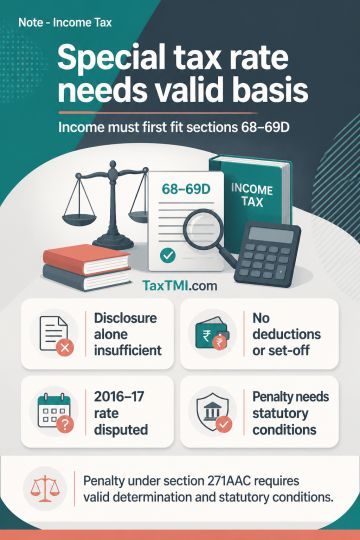
Section 115BBE classification requires a valid deeming-provision basis before special taxation, while the enhanced rate's temporal application remains...
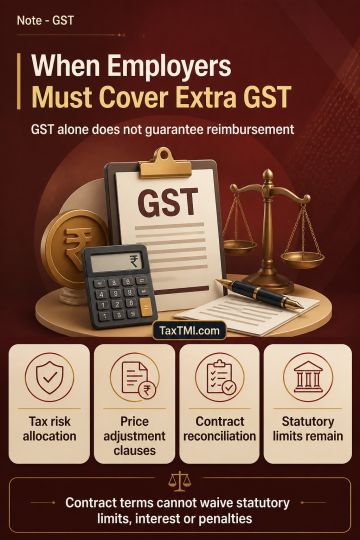
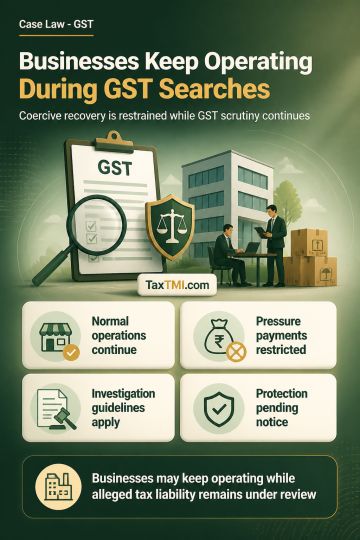
Coercive recovery during GST searches is restrained pending scrutiny, preserving normal business operations and requiring adherence to investigation g...
NCLAT held that a Resolution Plan cannot be approved under Section 30(2)(b) r/w Section 31 without ensuring minimum payment to Operational Creditors and dissenting Financial Creditors, which must not be less than liquidation value as per Section 53. The Adjudicating Authority's role is strictly limited to verifying plan compliance with statutory requirements, without exercising equitable jurisdiction. The Committee of Creditors retains exclusive commercial wisdom in determining resolution plan terms. The Appellate Tribunal cannot interfere with CoC's decision unless clear statutory violations exist. Consequently, the appeal was dismissed, affirming the original resolution plan's approval while emphasizing strict adherence to Insolvency Code provisions.
NCLAT held that a Resolution Plan cannot be approved under Section 30(2)(b) r/w Section 31 without ensuring minimum payment to Operational Creditors and dissenting Financial Creditors, which must not be less than liquidation value as per Section 53. The Adjudicating Authority's role is strictly limited to verifying plan compliance with statutory requirements, without exercising equitable jurisdiction. The Committee of Creditors retains exclusive commercial wisdom in determining resolution plan terms. The Appellate Tribunal cannot interfere with CoC's decision unless clear statutory violations exist. Consequently, the appeal was dismissed, affirming the original resolution plan's approval while emphasizing strict adherence to Insolvency Code provisions.
Note: It is a system-generated summary and is for quick reference only.
 TaxTMI
  TaxTMI
 of 4897