Political contribution deductions require genuine transactions; banking records and party registration alone cannot defeat evidence of accommodation e...
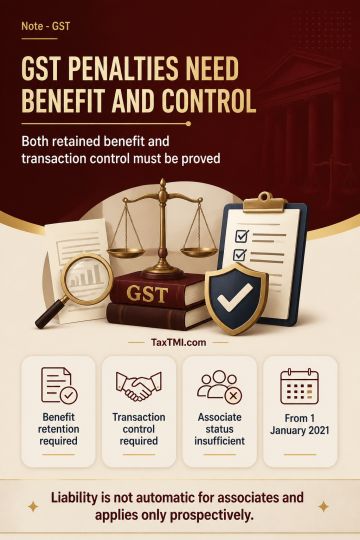
Post-death GST liability permits fresh proceedings against legal representatives, while discontinued-business recovery remains limited to the inherite...
Non-confirmation of FEMA seizure prevents adjudicators from overriding pending appellate findings on recorded reasons and suspected foreign asset hold...
ITAT held that the assessee successfully discharged the onus of establishing purchase genuineness by providing comprehensive documentary evidence including invoices, goods receipt notes, transport bills, and weighing bridge slips. Despite some procedural discrepancies and non-response to section 133(6) notices by certain parties, the tribunal affirmed that these factors do not automatically render transactions as bogus. The CIT(A)'s deletion of additions was upheld, and the revenue's appeal was dismissed, reinforcing the principle that mere procedural irregularities cannot invalidate legitimate business transactions when substantive evidence supports their authenticity.
ITAT held that the assessee successfully discharged the onus of establishing purchase genuineness by providing comprehensive documentary evidence including invoices, goods receipt notes, transport bills, and weighing bridge slips. Despite some procedural discrepancies and non-response to section 133(6) notices by certain parties, the tribunal affirmed that these factors do not automatically render transactions as bogus. The CIT(A)'s deletion of additions was upheld, and the revenue's appeal was dismissed, reinforcing the principle that mere procedural irregularities cannot invalidate legitimate business transactions when substantive evidence supports their authenticity.
Note: It is a system-generated summary and is for quick reference only.
 TaxTMI
 TaxTMI