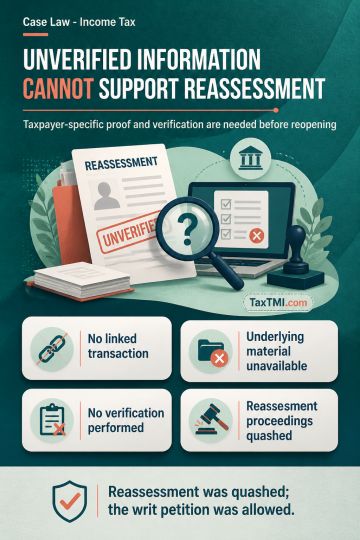
Unverified Insight Portal Information Cannot Justify Reassessment Without a Verified Taxpayer-Specific Income-Escape Nexus or Demonstrated Application...
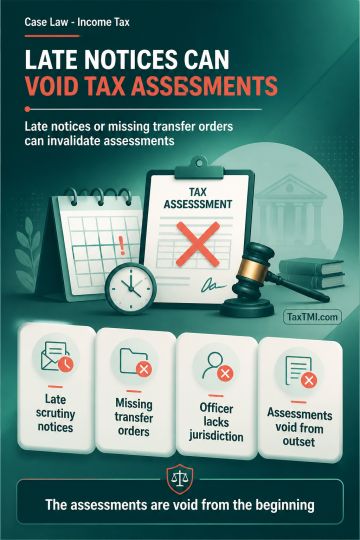
Assessing Officer jurisdiction after statutory transfer invalidates reassessment notices issued by transferor officers and nullifies resulting proceed...
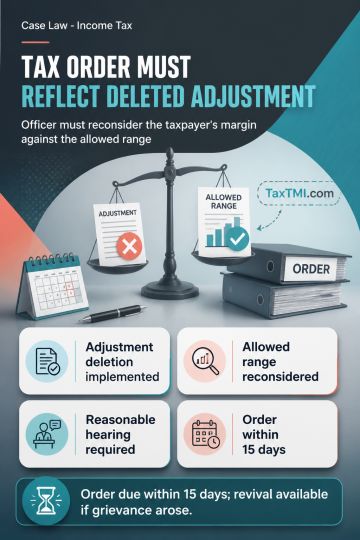
Consequential appeal-effect orders must implement rectification deleting working-capital adjustments and reconsider the resulting arm's-length range c...
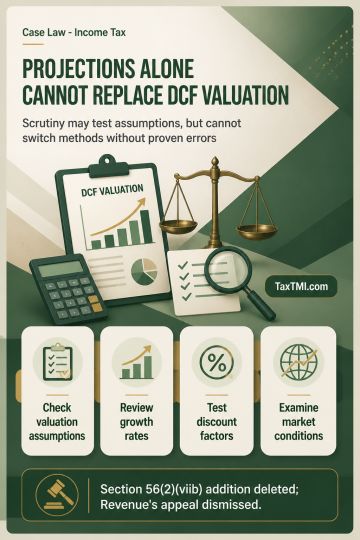
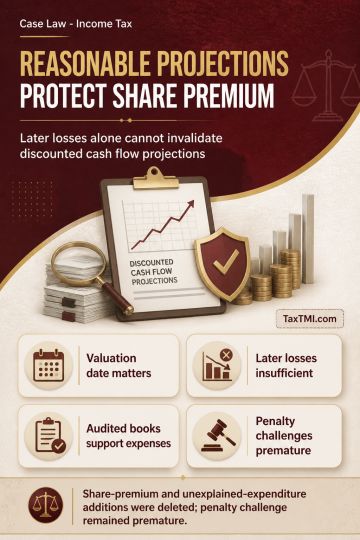
Discounted cash flow valuation protects share premium where projections are reasonable, while audited book expenses defeat unexplained-expenditure add...
Section 54 construction relief survives pre-transfer commencement when completion occurs within the statutory period, excluding ineligible spouse-owne...
ITAT adjudicated multiple tax-related issues for the assessee. The tribunal allowed the appeal regarding R&D expenditure under section 35(2AB), finding that prior to 2016 amendment, no specific procedural methodology existed for certifying expenditure, thus the Assessing Officer erroneously disallowed the weighted deduction. The tribunal also deleted disallowance under section 40A(2)(b) regarding commission payments, noting identical facts from the preceding year. Regarding depreciation, ITAT held electrical installations are part of plant and machinery, thereby allowing 15% depreciation instead of 10% as originally proposed by the AO. The assessee's appeals were substantially allowed across all contested issues.
ITAT adjudicated multiple tax-related issues for the assessee. The tribunal allowed the appeal regarding R&D expenditure under section 35(2AB), finding that prior to 2016 amendment, no specific procedural methodology existed for certifying expenditure, thus the Assessing Officer erroneously disallowed the weighted deduction. The tribunal also deleted disallowance under section 40A(2)(b) regarding commission payments, noting identical facts from the preceding year. Regarding depreciation, ITAT held electrical installations are part of plant and machinery, thereby allowing 15% depreciation instead of 10% as originally proposed by the AO. The assessee's appeals were substantially allowed across all contested issues.
Note: It is a system-generated summary and is for quick reference only.
 TaxTMI
  TaxTMI
 of 4881