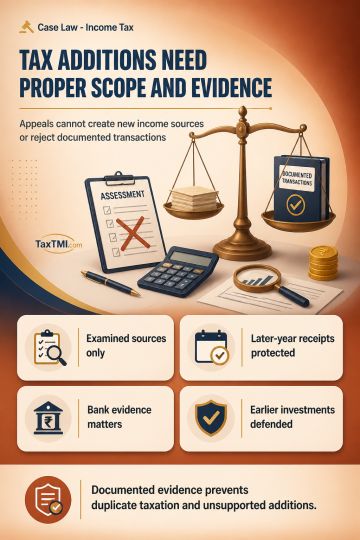
Appellate enhancement limits protect against new income sources, while documented credits and prior-year investments resist unexplained-income additio...
HC dismissed multiple writ petitions challenging customs license rejection and cancellation orders. The court held that since the Customs Act, 1962 provides an adequate statutory remedy through appeals, the writ petitions under Article 226 were not maintainable. The court referenced precedents emphasizing that when a specific statutory appeal mechanism exists, judicial review through writ jurisdiction is inappropriate. Consequently, all petitions were dismissed, with petitioners directed to utilize statutory appeal mechanisms if adverse orders are passed.
HC dismissed multiple writ petitions challenging customs license rejection and cancellation orders. The court held that since the Customs Act, 1962 provides an adequate statutory remedy through appeals, the writ petitions under Article 226 were not maintainable. The court referenced precedents emphasizing that when a specific statutory appeal mechanism exists, judicial review through writ jurisdiction is inappropriate. Consequently, all petitions were dismissed, with petitioners directed to utilize statutory appeal mechanisms if adverse orders are passed.
Note: It is a system-generated summary and is for quick reference only.
 TaxTMI
  TaxTMI
 of 4894