Infrastructure-development deduction remains available to EPC contractors when substantive statutory conditions outweigh contractor labels in agreemen...
Explained Investment Sources: documented gifts and traceable salary savings supported deletion of additions for property and mutual-fund SIP investmen...
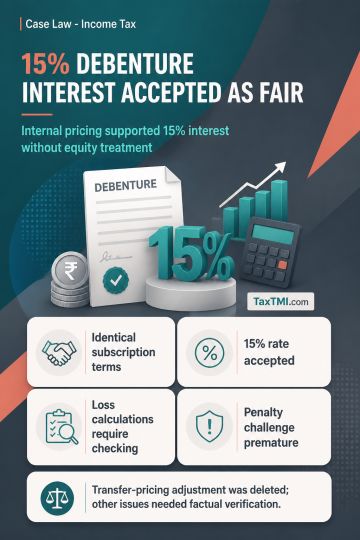
Internal comparable pricing supports arm's-length interest on compulsorily convertible debentures, preventing their recharacterisation as equity for t...
Nominee director protection shields independent financial-institution appointees from criminal liability where they lack involvement in deposit defaul...
In a dispute involving corporate governance and alleged oppressive conduct, the Tri examined multiple allegations against the Respondent No. 1 Company. After comprehensive review of claims including unauthorized share buy-back, remuneration discrepancies, and potential fraudulent transactions, the Tri found no substantive evidence of oppressive practices. The tribunal determined that the Petitioner failed to establish grounds under Section 213 of the Companies Act, 2013. Key findings included: legitimate employment perquisites, timely insurance policy credits, and no proven benami property transactions. The board's dividend discretion was affirmed, and procedural challenges were deemed time-barred. Consequently, the Tri dismissed the petition, ruling no oppressive conduct was demonstrated.
In a dispute involving corporate governance and alleged oppressive conduct, the Tri examined multiple allegations against the Respondent No. 1 Company. After comprehensive review of claims including unauthorized share buy-back, remuneration discrepancies, and potential fraudulent transactions, the Tri found no substantive evidence of oppressive practices. The tribunal determined that the Petitioner failed to establish grounds under Section 213 of the Companies Act, 2013. Key findings included: legitimate employment perquisites, timely insurance policy credits, and no proven benami property transactions. The board's dividend discretion was affirmed, and procedural challenges were deemed time-barred. Consequently, the Tri dismissed the petition, ruling no oppressive conduct was demonstrated.
Note: It is a system-generated summary and is for quick reference only.
 TaxTMI
  TaxTMI
 of 4872