Customs-controlled cargo movement now includes GDL, subject to EXIM prioritisation, segregation, verification, reconciliation and enforcement safeguar...
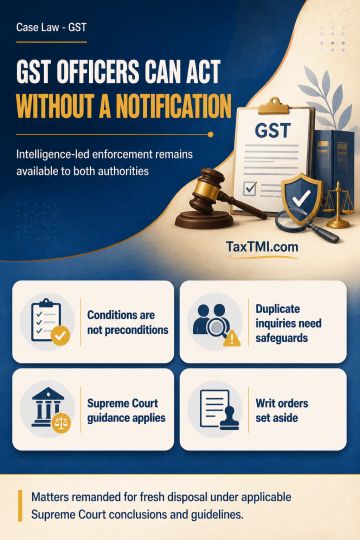
GST cross-empowerment remains effective without conditional notification, while duplicate proceedings require established safeguards against overlappi...
NCLAT dismissed the appeal, affirming the financial debt of Rs. 2.5 Crores against the corporate debtor. The tribunal held that the default was established through audited financial statements dated 31.01.2019, which predates the Section 10A exemption period. The information utility record and financial statements conclusively proved the debt, and the liquidator was legally authorized to initiate Corporate Insolvency Resolution Process (CIRP) proceedings. The court rejected appellant's contentions regarding lack of written documentation and challenged the liquidator's right to pursue legal recovery, ultimately upholding the financial creditor's claim.
NCLAT dismissed the appeal, affirming the financial debt of Rs. 2.5 Crores against the corporate debtor. The tribunal held that the default was established through audited financial statements dated 31.01.2019, which predates the Section 10A exemption period. The information utility record and financial statements conclusively proved the debt, and the liquidator was legally authorized to initiate Corporate Insolvency Resolution Process (CIRP) proceedings. The court rejected appellant's contentions regarding lack of written documentation and challenged the liquidator's right to pursue legal recovery, ultimately upholding the financial creditor's claim.
Note: It is a system-generated summary and is for quick reference only.
 TaxTMI
  TaxTMI
 of 4879