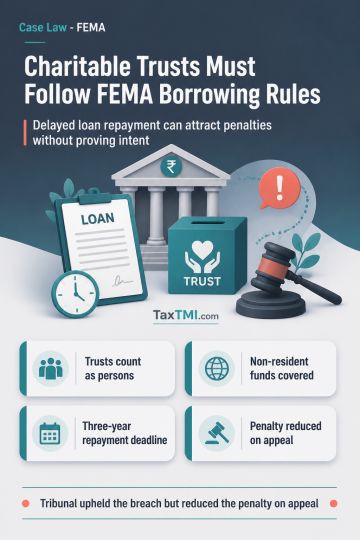
FEMA borrowing restrictions bind charitable trusts, and civil penalties apply without proving intent for delayed repayment of non-resident rupee loans...
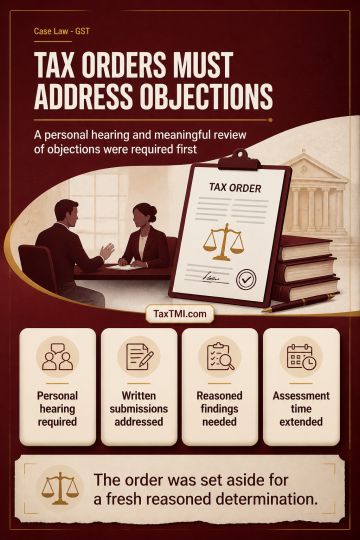
HC dismissed the writ petition challenging tax SCN and final order under WBGST/CGST Act, 2017. The court held that the petitioners have an alternative statutory remedy through appeal under Section 74/73, and cannot bypass such efficacious remedy by invoking extraordinary writ jurisdiction under Article 226. Despite relying on a Madras HC precedent, the petition was rejected due to availability of alternative remedy and lack of exceptional circumstances warranting judicial intervention. The court emphasized that all contested issues can be adequately addressed through the prescribed appellate mechanism, rendering the writ petition non-maintainable.
HC dismissed the writ petition challenging tax SCN and final order under WBGST/CGST Act, 2017. The court held that the petitioners have an alternative statutory remedy through appeal under Section 74/73, and cannot bypass such efficacious remedy by invoking extraordinary writ jurisdiction under Article 226. Despite relying on a Madras HC precedent, the petition was rejected due to availability of alternative remedy and lack of exceptional circumstances warranting judicial intervention. The court emphasized that all contested issues can be adequately addressed through the prescribed appellate mechanism, rendering the writ petition non-maintainable.
Note: It is a system-generated summary and is for quick reference only.
 TaxTMI
  TaxTMI
 of 4888