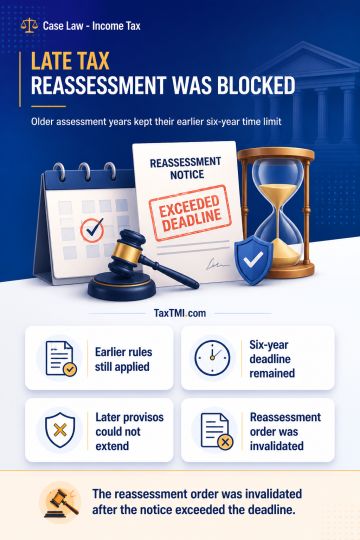
Pre-amendment reassessment limitation bars late notices under the preserved regime, invalidating consequential reassessment for affected earlier asses...
Cash-sales explanations for bank deposits require documentary reconciliation; reassessment notice survived where effective response time was available...
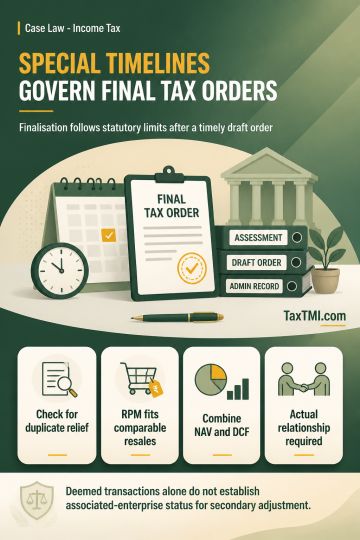
Functional comparability in transfer pricing prevents ad hoc arm's length adjustments where functions, assets, risks and reliable comparables are unes...
The NCLAT examined a challenge to a resolution plan under the Insolvency and Bankruptcy Code. The Tribunal held that the applicant, as an unsuccessful resolution applicant, lacks locus standi to challenge the plan, except on specific eligibility grounds. The CoC's commercial wisdom in selecting a resolution plan was deemed non-justiciable. The Tribunal found no violation of natural justice, confirmed Respondent No. 3's eligibility under Section 29A, and determined that a related party connection was not established. The revised financial bid submitted post-timeline was rejected. Consequently, the Tribunal dismissed the appeal, upholding the original resolution plan's approval.
The NCLAT examined a challenge to a resolution plan under the Insolvency and Bankruptcy Code. The Tribunal held that the applicant, as an unsuccessful resolution applicant, lacks locus standi to challenge the plan, except on specific eligibility grounds. The CoC's commercial wisdom in selecting a resolution plan was deemed non-justiciable. The Tribunal found no violation of natural justice, confirmed Respondent No. 3's eligibility under Section 29A, and determined that a related party connection was not established. The revised financial bid submitted post-timeline was rejected. Consequently, the Tribunal dismissed the appeal, upholding the original resolution plan's approval.
Note: It is a system-generated summary and is for quick reference only.
 TaxTMI
  TaxTMI
 of 4918