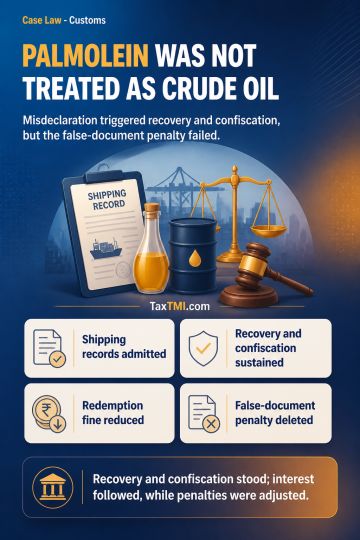
Palmolein classification defeated the crude-oil concession; material misdeclaration sustained recovery and confiscation, while separate false-document...
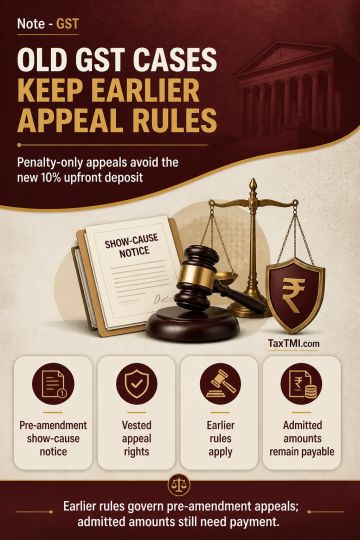
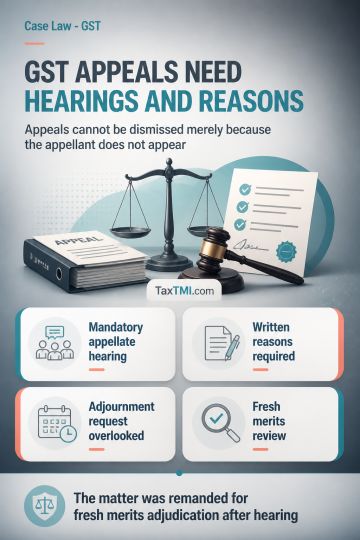
HC dismissed the appeal with a procedural directive regarding statutory stay under Section 112(9) of the Act of 2017. The court determined that upon the appointment of the President or State President of the Goods and Service Tax Appellate Tribunal, the petitioner may file an appeal after statutory deposit. The authority is mandated to adjudicate the appeal strictly in accordance with law, with the statutory stay remaining operative until appeal resolution. The court's order effectively preserves the petitioner's appellate rights while maintaining procedural compliance with indirect tax regulations.
HC dismissed the appeal with a procedural directive regarding statutory stay under Section 112(9) of the Act of 2017. The court determined that upon the appointment of the President or State President of the Goods and Service Tax Appellate Tribunal, the petitioner may file an appeal after statutory deposit. The authority is mandated to adjudicate the appeal strictly in accordance with law, with the statutory stay remaining operative until appeal resolution. The court's order effectively preserves the petitioner's appellate rights while maintaining procedural compliance with indirect tax regulations.
Note: It is a system-generated summary and is for quick reference only.
 TaxTMI
  TaxTMI
 of 4894