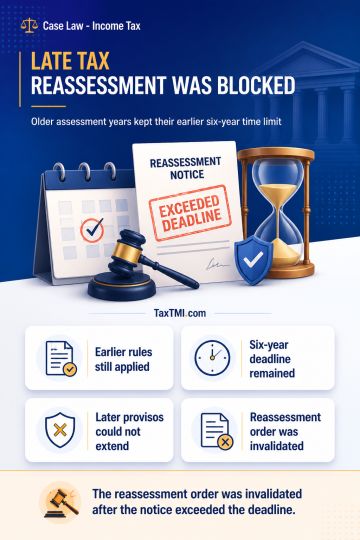
Pre-amendment reassessment limitation bars late notices under the preserved regime, invalidating consequential reassessment for affected earlier asses...
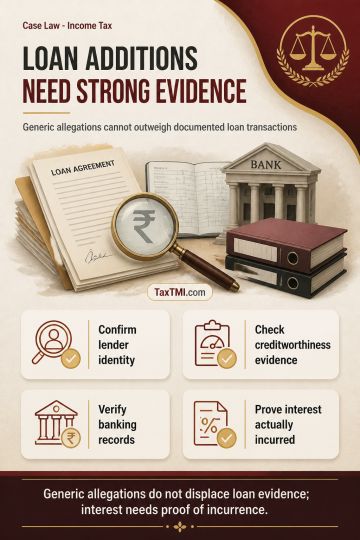
Cash-sales explanations for bank deposits require documentary reconciliation; reassessment notice survived where effective response time was available...
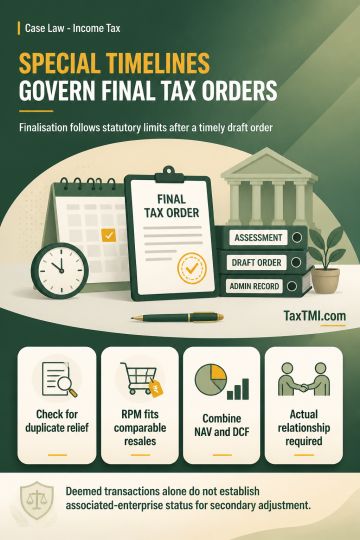
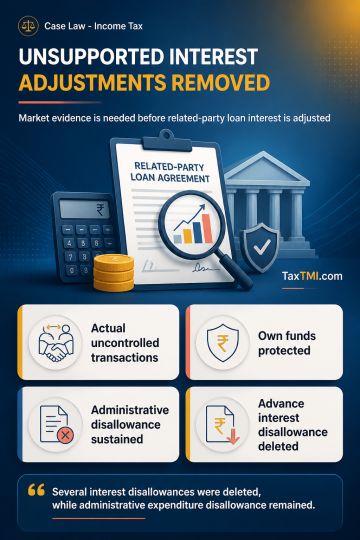
Functional comparability in transfer pricing prevents ad hoc arm's length adjustments where functions, assets, risks and reliable comparables are unes...
HC held that a public servant cannot be prosecuted for criminal conspiracy under Section 120-B IPC when sanction for prosecution under the Prevention of Corruption Act has been expressly declined. The court determined that attempting to prosecute for conspiracy alone, when the underlying offence is legally non-prosecutable, constitutes a colourable exercise of power. The prosecution's attempt to circumvent statutory protections by invoking conspiracy charges without substantive evidence was deemed improper. Consequently, the court quashed the summoning order, affirming that procedural safeguards protecting public servants cannot be indirectly undermined through conspiracy charges when direct prosecution is statutorily prohibited.
HC held that a public servant cannot be prosecuted for criminal conspiracy under Section 120-B IPC when sanction for prosecution under the Prevention of Corruption Act has been expressly declined. The court determined that attempting to prosecute for conspiracy alone, when the underlying offence is legally non-prosecutable, constitutes a colourable exercise of power. The prosecution's attempt to circumvent statutory protections by invoking conspiracy charges without substantive evidence was deemed improper. Consequently, the court quashed the summoning order, affirming that procedural safeguards protecting public servants cannot be indirectly undermined through conspiracy charges when direct prosecution is statutorily prohibited.
Note: It is a system-generated summary and is for quick reference only.
 TaxTMI
 TaxTMI

 of 4918