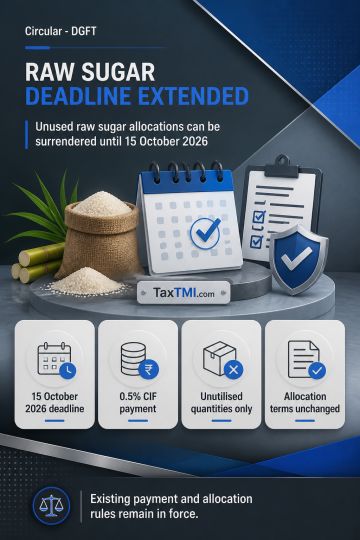
Customs-controlled cargo movement now includes GDL, subject to EXIM prioritisation, segregation, verification, reconciliation and enforcement safeguar...
CESTAT adjudicated a dispute regarding seized traveller's cheques, finding the customs department's encashment and retention of funds arbitrary. The tribunal determined that the cheques, being non-perishable dollar-denominated instruments, should have been handled with greater procedural care. Critically, the court ruled that the appellant was entitled to interest on the deposited amount from the date of deposit, less redemption fines and penalties, with payment mandated within two months. The decision emphasized preventing unjust enrichment and protecting property rights by recognizing the potential financial loss to the appellant due to unauthorized fund retention. Appeal was allowed, directing monetary compensation to the appellant.
CESTAT adjudicated a dispute regarding seized traveller's cheques, finding the customs department's encashment and retention of funds arbitrary. The tribunal determined that the cheques, being non-perishable dollar-denominated instruments, should have been handled with greater procedural care. Critically, the court ruled that the appellant was entitled to interest on the deposited amount from the date of deposit, less redemption fines and penalties, with payment mandated within two months. The decision emphasized preventing unjust enrichment and protecting property rights by recognizing the potential financial loss to the appellant due to unauthorized fund retention. Appeal was allowed, directing monetary compensation to the appellant.
Note: It is a system-generated summary and is for quick reference only.
 TaxTMI
  TaxTMI
 of 4881