Infrastructure-development deduction remains available to EPC contractors when substantive statutory conditions outweigh contractor labels in agreemen...
Explained Investment Sources: documented gifts and traceable salary savings supported deletion of additions for property and mutual-fund SIP investmen...
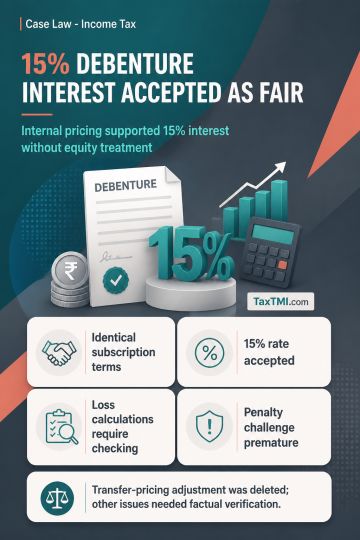
Internal comparable pricing supports arm's-length interest on compulsorily convertible debentures, preventing their recharacterisation as equity for t...
Nominee director protection shields independent financial-institution appointees from criminal liability where they lack involvement in deposit defaul...
Page of 4884
Press 'Enter' after typing page number.
241 to 260 of 97661 Results
❮
❯
❯❯
0 / 200
Expand Note
Add to Folder
No Folders have been created
+
Are you sure you want to delete "My most important" ?
CESTAT adjudicated a dispute regarding seized traveller's cheques, finding the customs department's encashment and retention of funds arbitrary. The tribunal determined that the cheques, being non-perishable dollar-denominated instruments, should have been handled with greater procedural care. Critically, the court ruled that the appellant was entitled to interest on the deposited amount from the date of deposit, less redemption fines and penalties, with payment mandated within two months. The decision emphasized preventing unjust enrichment and protecting property rights by recognizing the potential financial loss to the appellant due to unauthorized fund retention. Appeal was allowed, directing monetary compensation to the appellant.
CESTAT adjudicated a dispute regarding seized traveller's cheques, finding the customs department's encashment and retention of funds arbitrary. The tribunal determined that the cheques, being non-perishable dollar-denominated instruments, should have been handled with greater procedural care. Critically, the court ruled that the appellant was entitled to interest on the deposited amount from the date of deposit, less redemption fines and penalties, with payment mandated within two months. The decision emphasized preventing unjust enrichment and protecting property rights by recognizing the potential financial loss to the appellant due to unauthorized fund retention. Appeal was allowed, directing monetary compensation to the appellant.
Note: It is a system-generated summary and is for quick reference only.
 TaxTMI
  TaxTMI
 of 4884