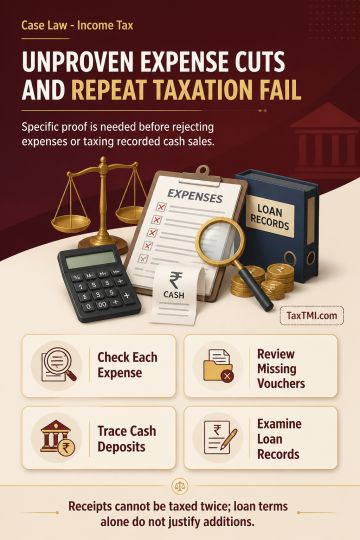
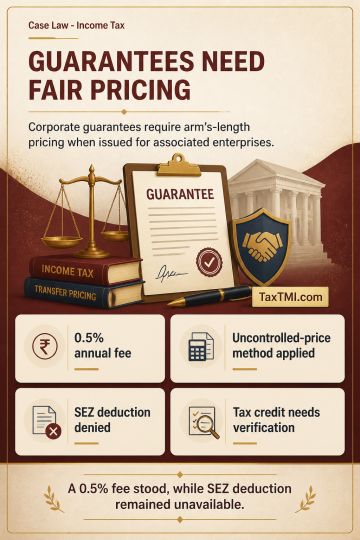
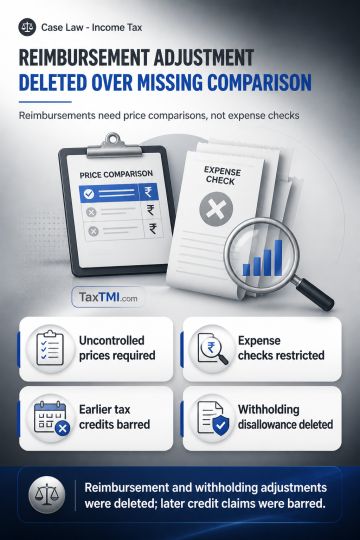
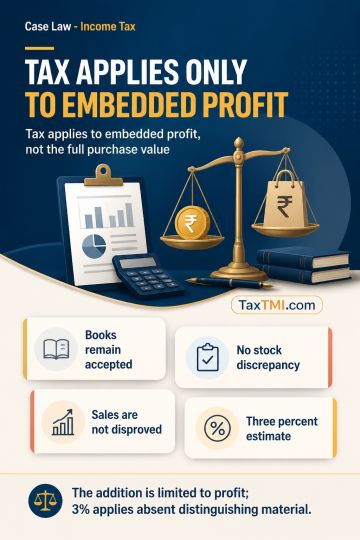
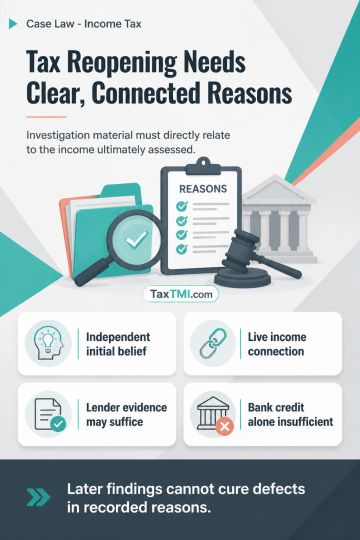
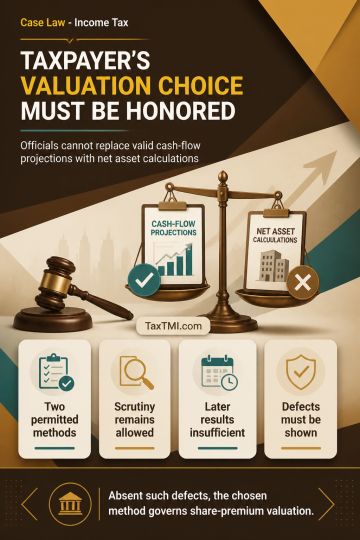
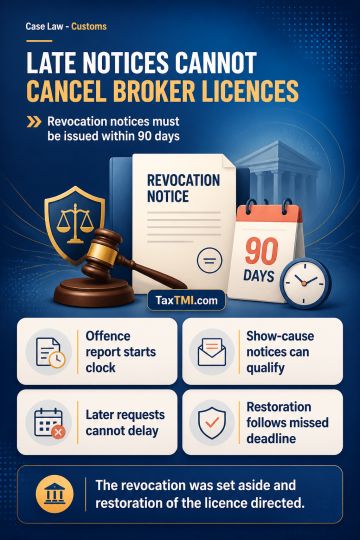
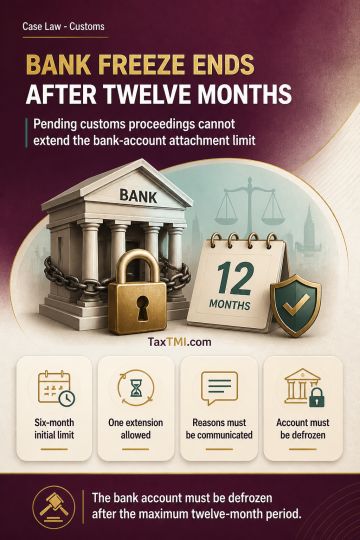
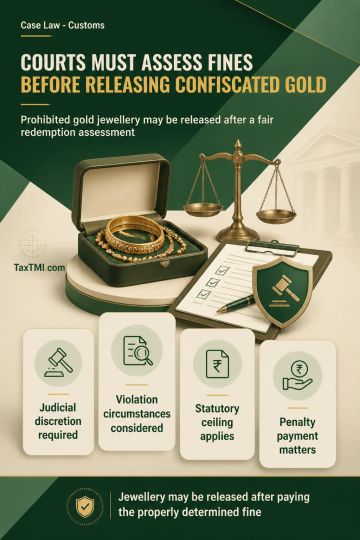
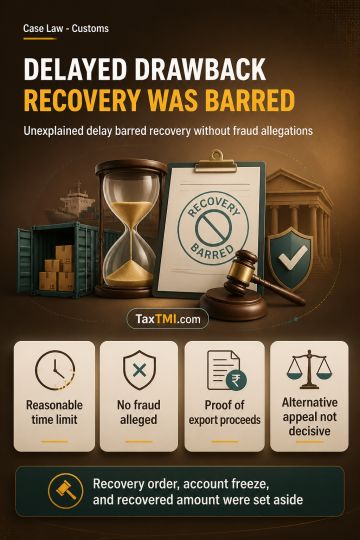
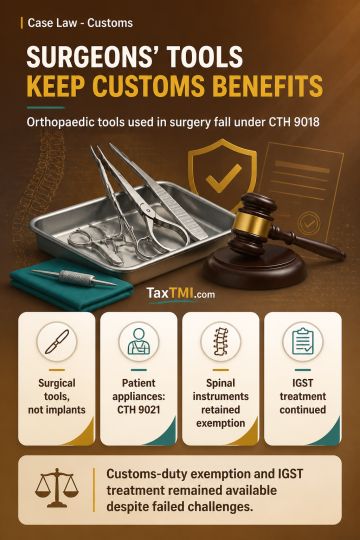
Transfer-pricing reimbursement adjustments require uncontrolled comparables and cannot become expense-genuineness reviews, resulting in deletion of th...
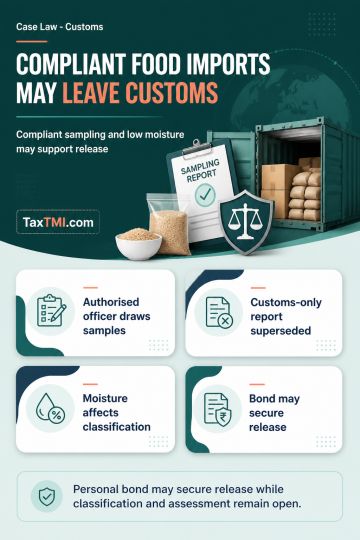
Food import sampling requirements support provisional release where unseized consignments conform to standards and raw areca classification is unestab...
SC analyzed a cheque dishonour case under Negotiable Instruments Act Sections 118(a) and 139. The Court held that while presumptions under these sections are rebuttable, the complainant failed to substantiate the claim of an enforceable debt. Despite alleging cheque issuance in presence of well-wishers, no corroborative evidence was produced, such as income tax documents or accounting records. The accused successfully discharged the burden of proof by raising a probable defense. Consequently, the SC upheld the Trial Court's original acquittal order and reversed the High Court's judgment, thereby allowing the appeal in favor of the accused.
SC analyzed a cheque dishonour case under Negotiable Instruments Act Sections 118(a) and 139. The Court held that while presumptions under these sections are rebuttable, the complainant failed to substantiate the claim of an enforceable debt. Despite alleging cheque issuance in presence of well-wishers, no corroborative evidence was produced, such as income tax documents or accounting records. The accused successfully discharged the burden of proof by raising a probable defense. Consequently, the SC upheld the Trial Court's original acquittal order and reversed the High Court's judgment, thereby allowing the appeal in favor of the accused.
Note: It is a system-generated summary and is for quick reference only.
 TaxTMI
  TaxTMI
 of 4897