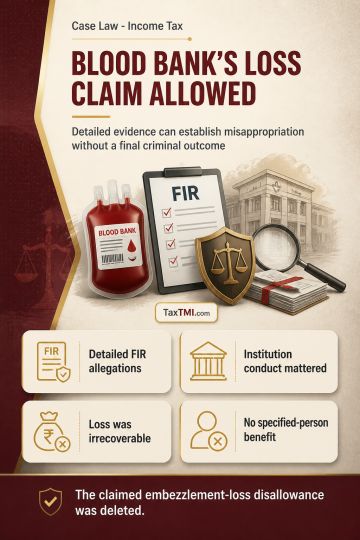
Embezzlement losses in charitable institutions remain allowable when misappropriation is established, irrecoverable, and not a specified-person benefi...
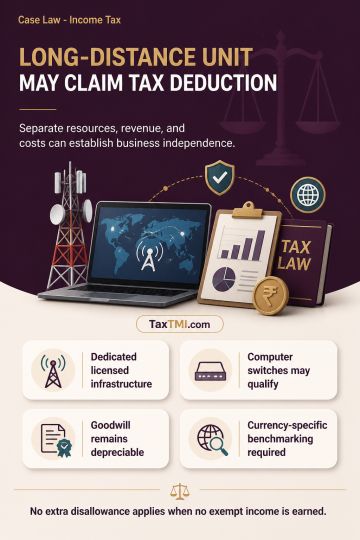
National long-distance undertaking status supports deduction where separately licensed infrastructure, resources, revenue, and expenditure establish c...
Agency reimbursement income follows contractual deposit-liability computation, while pending deposit collections do not constitute deemed-dividend loa...
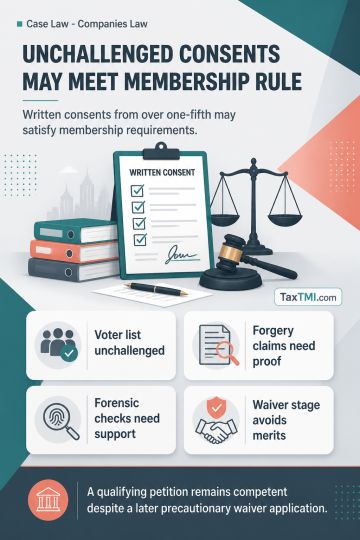
Membership-consent thresholds for oppression petitions are satisfied by unchallenged voter-list consents, while unsupported forgery claims require pro...
SC held that the plaint must be rejected under Order VII Rule 11(a) and (d) CPC due to absence of cause of action. An agreement to sell does not confer substantive rights against third-party possessors, and the proposed purchaser cannot institute a suit against parties in possession. The court emphasized that without a registered sale deed, the purchaser lacks legal standing to challenge ownership or possession. The appeal was allowed, setting aside lower court orders, with implications for preventing speculative litigation and protecting institutional interests from resource-draining legal proceedings.
SC held that the plaint must be rejected under Order VII Rule 11(a) and (d) CPC due to absence of cause of action. An agreement to sell does not confer substantive rights against third-party possessors, and the proposed purchaser cannot institute a suit against parties in possession. The court emphasized that without a registered sale deed, the purchaser lacks legal standing to challenge ownership or possession. The appeal was allowed, setting aside lower court orders, with implications for preventing speculative litigation and protecting institutional interests from resource-draining legal proceedings.
Note: It is a system-generated summary and is for quick reference only.
 TaxTMI
  TaxTMI
 of 4881