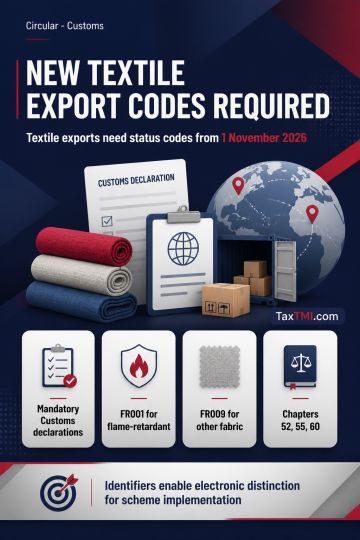
Mandatory textile export qualifiers distinguish flame-retardant fabrics from other listed fabrics for automated identification under the textiles ince...
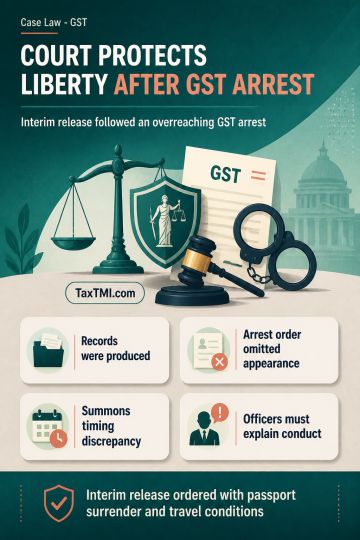
Personal liberty safeguards restrict arrest after court-directed GST appearance, requiring interim release where authorities overreach pending proceed...
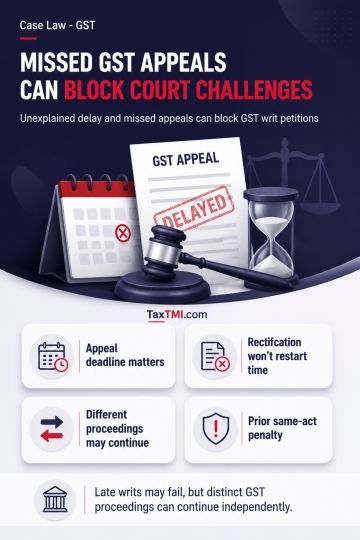
Alternative statutory remedy and delay bar GST writ challenges despite pending rectification, while distinct subject matter permits parallel proceedin...
Page of 4884
Press 'Enter' after typing page number.
261 to 280 of 97661 Results
❮
❯
❯❯
0 / 200
Expand Note
Add to Folder
No Folders have been created
+
Are you sure you want to delete "My most important" ?
SC held that the plaint must be rejected under Order VII Rule 11(a) and (d) CPC due to absence of cause of action. An agreement to sell does not confer substantive rights against third-party possessors, and the proposed purchaser cannot institute a suit against parties in possession. The court emphasized that without a registered sale deed, the purchaser lacks legal standing to challenge ownership or possession. The appeal was allowed, setting aside lower court orders, with implications for preventing speculative litigation and protecting institutional interests from resource-draining legal proceedings.
SC held that the plaint must be rejected under Order VII Rule 11(a) and (d) CPC due to absence of cause of action. An agreement to sell does not confer substantive rights against third-party possessors, and the proposed purchaser cannot institute a suit against parties in possession. The court emphasized that without a registered sale deed, the purchaser lacks legal standing to challenge ownership or possession. The appeal was allowed, setting aside lower court orders, with implications for preventing speculative litigation and protecting institutional interests from resource-draining legal proceedings.
Note: It is a system-generated summary and is for quick reference only.
 TaxTMI
  TaxTMI
 of 4884