Human-probability test defeats political donation deductions where banking records mask accommodation-entry fund layering rather than genuine contribu...
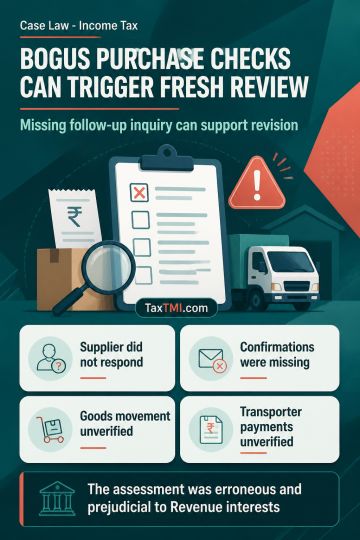
Electronic evidence and search statements in tax assessments require authenticity review and corroboration, while procedural manuals lack statutory fo...
Tariff rate quota authorisations govern preferential imports of specified New Zealand goods through export certification and electronic customs debiti...
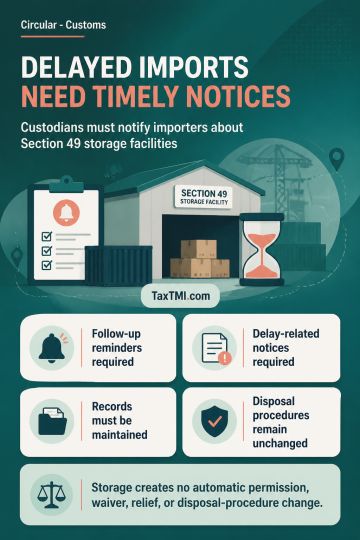
Electronic Continuity Bond Registration replaces manual container permissions, with quarterly reporting and re-export monitoring for duty-free contain...
SC held that service of Section 21 notice and joinder in Section 11 application are not absolute prerequisites for impleading a party in arbitration proceedings. The arbitral tribunal's jurisdiction derives from consent under the arbitration agreement, and the tribunal must determine party status under Section 16 of the Arbitration and Conciliation Act. Non-signatory parties can be impleaded based on their conduct and contractual relationship, even if not originally named in the initial arbitration notice. The tribunal retains discretion to join parties who have effectively consented to be bound by the arbitration agreement through their actions.
SC held that service of Section 21 notice and joinder in Section 11 application are not absolute prerequisites for impleading a party in arbitration proceedings. The arbitral tribunal's jurisdiction derives from consent under the arbitration agreement, and the tribunal must determine party status under Section 16 of the Arbitration and Conciliation Act. Non-signatory parties can be impleaded based on their conduct and contractual relationship, even if not originally named in the initial arbitration notice. The tribunal retains discretion to join parties who have effectively consented to be bound by the arbitration agreement through their actions.
Note: It is a system-generated summary and is for quick reference only.
 TaxTMI
 TaxTMI

 of 4920