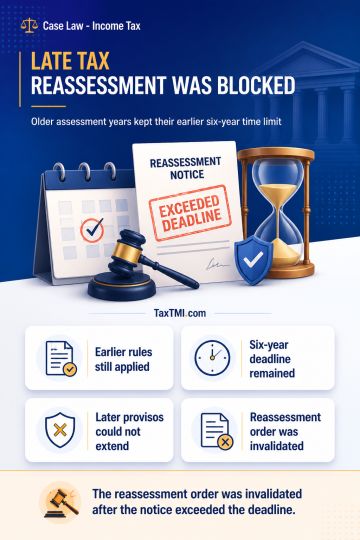
Pre-amendment reassessment limitation bars late notices under the preserved regime, invalidating consequential reassessment for affected earlier asses...
Cash-sales explanations for bank deposits require documentary reconciliation; reassessment notice survived where effective response time was available...
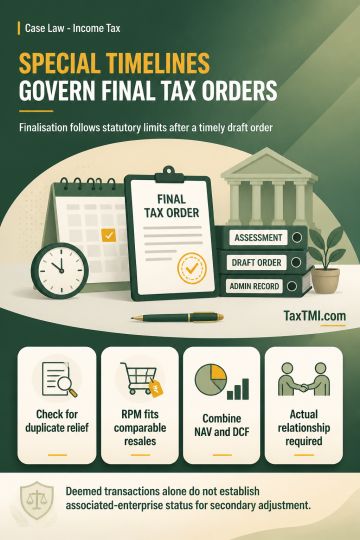
Functional comparability in transfer pricing prevents ad hoc arm's length adjustments where functions, assets, risks and reliable comparables are unes...
CESTAT resolved a customs valuation dispute involving mis-declaration of imported goods. The tribunal determined that filing an appeal constitutes a protest against previously consented value. Referencing precedent cases, the tribunal held that variations in weight for unit-based assessable goods do not necessitate changes to transaction value. Specifically, for specialized industrial components sold by units rather than weight, excess weight discovered during physical verification does not invalidate the original invoice value. With no evidence of excess remittance beyond invoice value, the tribunal accepted the declared transaction value and quantity for customs duty assessment, ultimately allowing the appeal.
CESTAT resolved a customs valuation dispute involving mis-declaration of imported goods. The tribunal determined that filing an appeal constitutes a protest against previously consented value. Referencing precedent cases, the tribunal held that variations in weight for unit-based assessable goods do not necessitate changes to transaction value. Specifically, for specialized industrial components sold by units rather than weight, excess weight discovered during physical verification does not invalidate the original invoice value. With no evidence of excess remittance beyond invoice value, the tribunal accepted the declared transaction value and quantity for customs duty assessment, ultimately allowing the appeal.
Note: It is a system-generated summary and is for quick reference only.
 TaxTMI
 TaxTMI

 of 4918