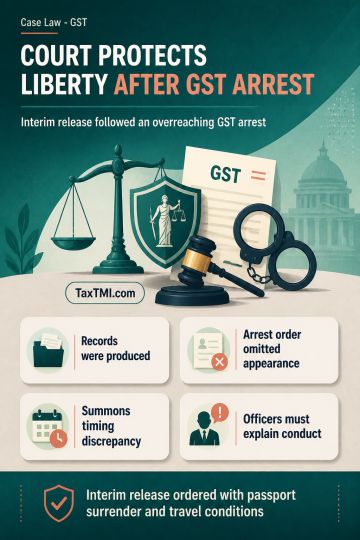
Personal liberty safeguards restrict arrest after court-directed GST appearance, requiring interim release where authorities overreach pending proceed...
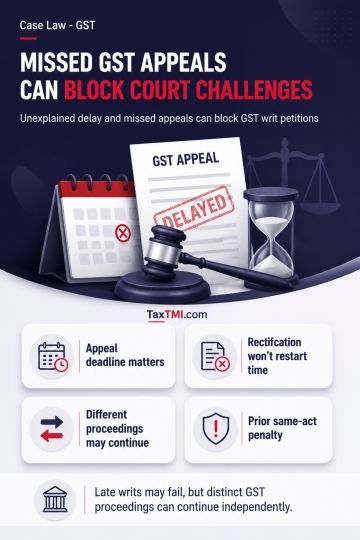
Alternative statutory remedy and delay bar GST writ challenges despite pending rectification, while distinct subject matter permits parallel proceedin...
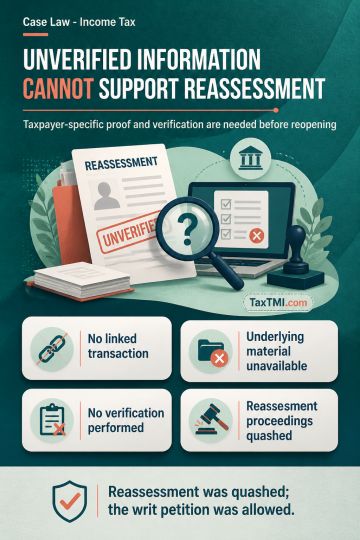
Unverified Insight Portal Information Cannot Justify Reassessment Without a Verified Taxpayer-Specific Income-Escape Nexus or Demonstrated Application...
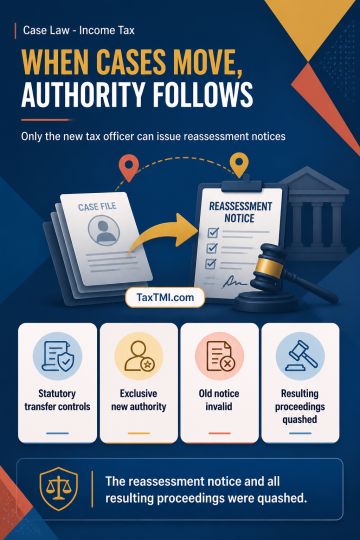
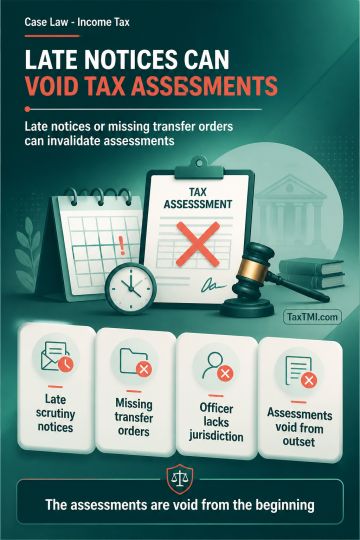
Assessing Officer jurisdiction after statutory transfer invalidates reassessment notices issued by transferor officers and nullifies resulting proceed...
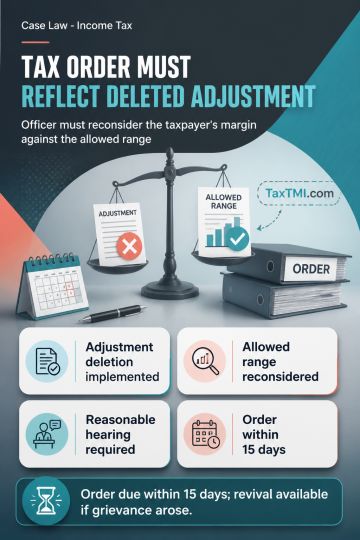
Consequential appeal-effect orders must implement rectification deleting working-capital adjustments and reconsider the resulting arm's-length range c...
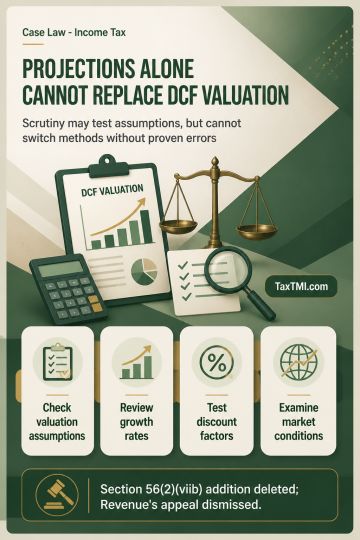
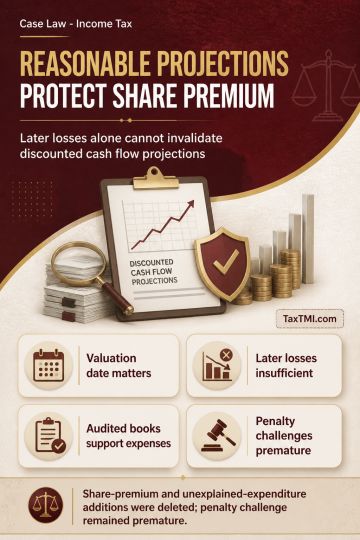
Discounted cash flow valuation protects share premium where projections are reasonable, while audited book expenses defeat unexplained-expenditure add...
NCLAT dismissed the Section 7 application filed by the Appellant-Debenture Trustee against the Corporate Debtor. The Tribunal found no valid debt due or payable during the moratorium period until September 2023. The court determined that the Appellant's intent was not genuine insolvency resolution but a malafide attempt to coerce the Corporate Debtor into insolvency proceedings. The Appellant's conduct, including releasing property charges and funds under a restructuring proposal, demonstrated prior agreement to a moratorium. Consequently, the Tribunal upheld the Adjudicating Authority's decision, concluding that the Section 7 application was improperly motivated and therefore not admissible, effectively protecting the Corporate Debtor from unwarranted insolvency proceedings.
NCLAT dismissed the Section 7 application filed by the Appellant-Debenture Trustee against the Corporate Debtor. The Tribunal found no valid debt due or payable during the moratorium period until September 2023. The court determined that the Appellant's intent was not genuine insolvency resolution but a malafide attempt to coerce the Corporate Debtor into insolvency proceedings. The Appellant's conduct, including releasing property charges and funds under a restructuring proposal, demonstrated prior agreement to a moratorium. Consequently, the Tribunal upheld the Adjudicating Authority's decision, concluding that the Section 7 application was improperly motivated and therefore not admissible, effectively protecting the Corporate Debtor from unwarranted insolvency proceedings.
Note: It is a system-generated summary and is for quick reference only.
 TaxTMI
  TaxTMI
 of 4886