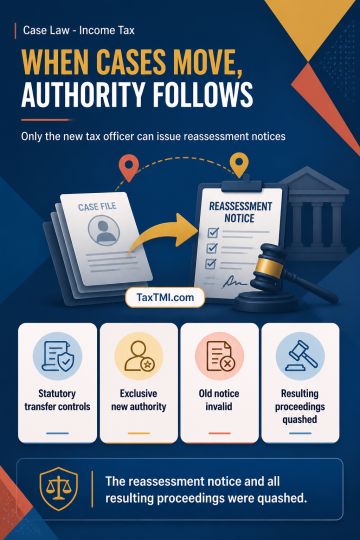
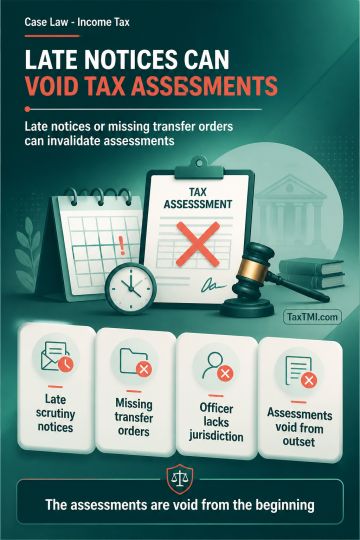
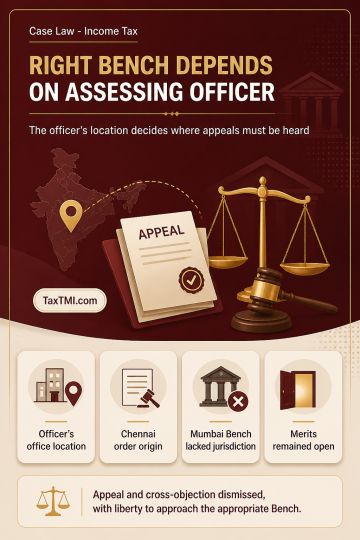
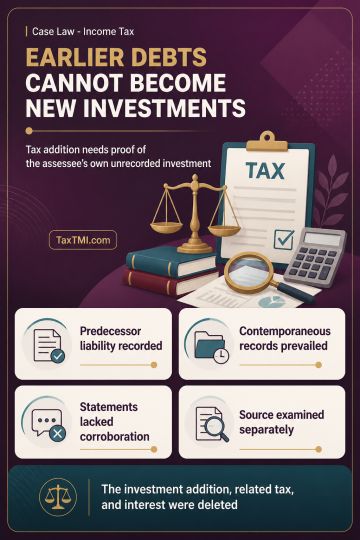
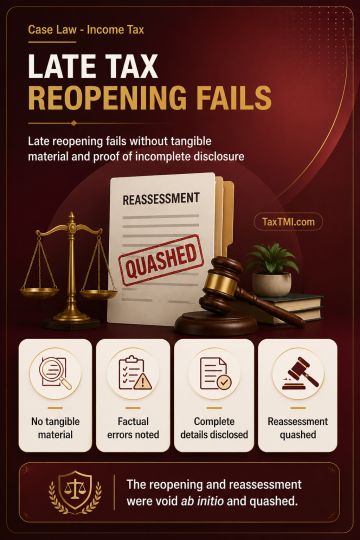
Assessing Officer jurisdiction after statutory transfer invalidates reassessment notices issued by transferor officers and nullifies resulting proceed...
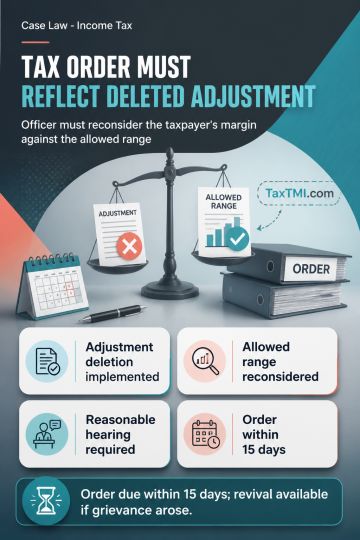
Consequential appeal-effect orders must implement rectification deleting working-capital adjustments and reconsider the resulting arm's-length range c...
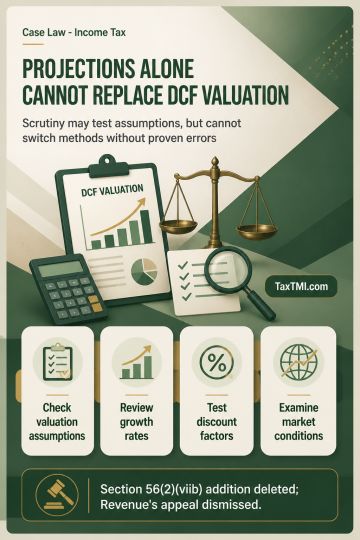
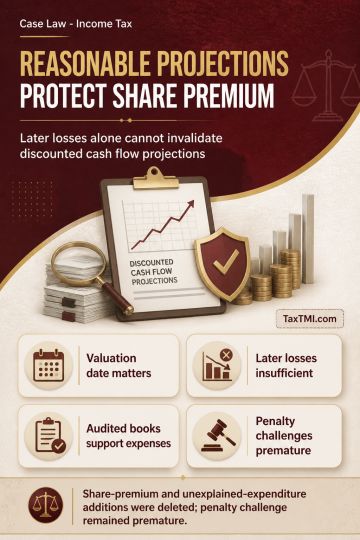
Discounted cash flow valuation protects share premium where projections are reasonable, while audited book expenses defeat unexplained-expenditure add...
Section 54 construction relief survives pre-transfer commencement when completion occurs within the statutory period, excluding ineligible spouse-owne...
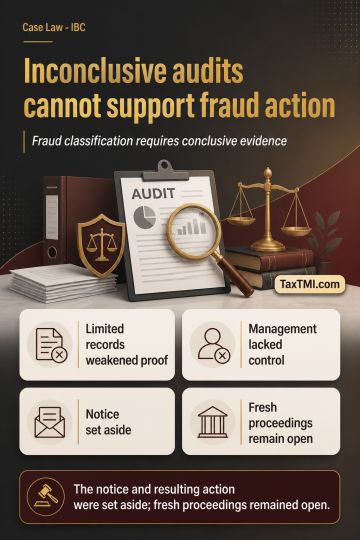
Fraud classification show-cause notices founded on inconclusive forensic audit material cannot sustain action, permitting fresh proceedings on conclus...
Page of 4888
Press 'Enter' after typing page number.
381 to 400 of 97750 Results
❮
❯
❯❯
0 / 200
Expand Note
Add to Folder
No Folders have been created
+
Are you sure you want to delete "My most important" ?
ITAT remanded the matter back to the Assessing Officer (AO) to re-examine the TDS non-deduction dispute. The tribunal directed the AO to provide the assessee an opportunity to present evidence regarding Form 15G/H and Form 27BA, and verify the tax payment status. The bench emphasized a merit-based assessment, allowing the assessee to substantiate claims of tax compliance. The appeal was allowed for statistical purposes, with instructions for the assessee to cooperate during proceedings and avoid frivolous adjournments. The AO must conduct a comprehensive review, ensuring fair consideration of the factual aspects raised by the assessee.
ITAT remanded the matter back to the Assessing Officer (AO) to re-examine the TDS non-deduction dispute. The tribunal directed the AO to provide the assessee an opportunity to present evidence regarding Form 15G/H and Form 27BA, and verify the tax payment status. The bench emphasized a merit-based assessment, allowing the assessee to substantiate claims of tax compliance. The appeal was allowed for statistical purposes, with instructions for the assessee to cooperate during proceedings and avoid frivolous adjournments. The AO must conduct a comprehensive review, ensuring fair consideration of the factual aspects raised by the assessee.
Note: It is a system-generated summary and is for quick reference only.
 TaxTMI
  TaxTMI
 of 4888