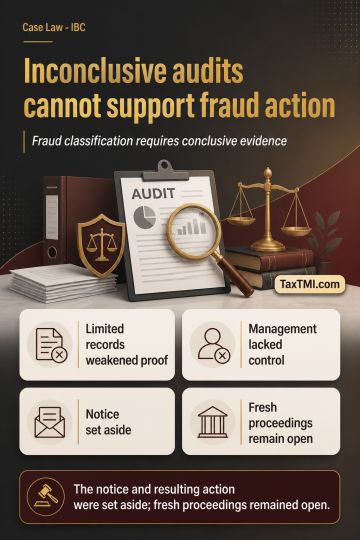
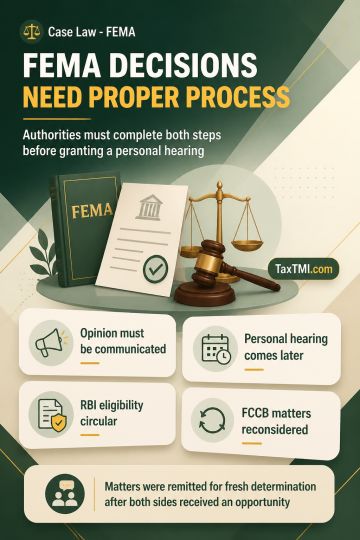
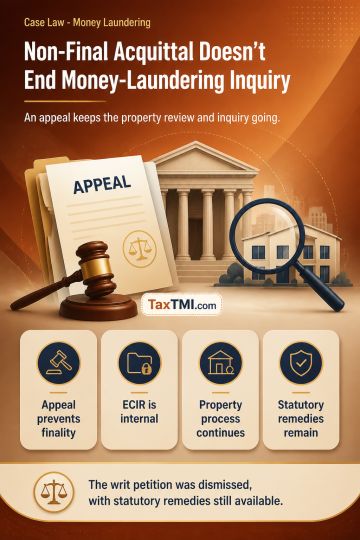
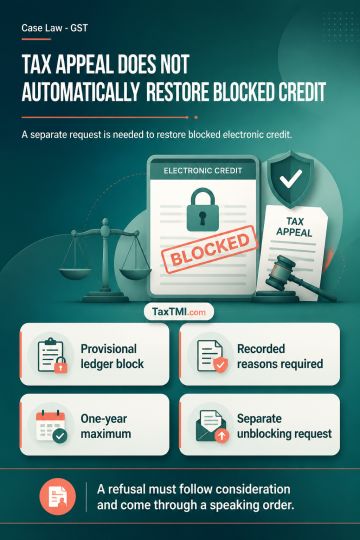
Fraud classification show-cause notices founded on inconclusive forensic audit material cannot sustain action, permitting fresh proceedings on conclus...
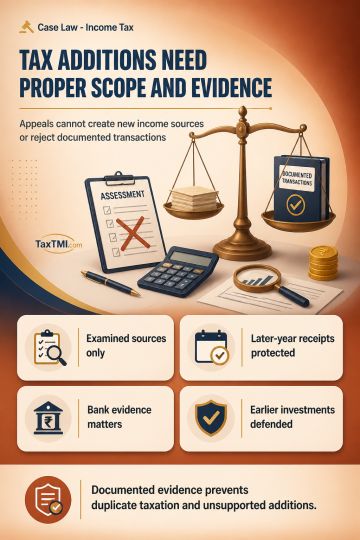
Appellate enhancement limits protect against new income sources, while documented credits and prior-year investments resist unexplained-income additio...
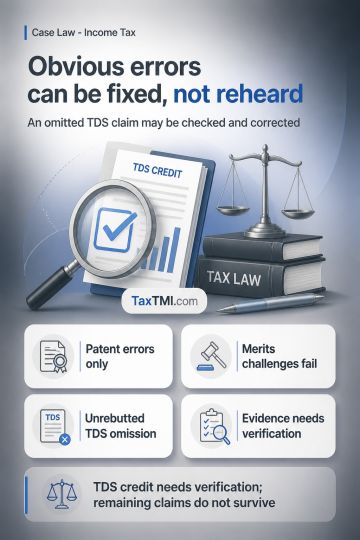
ITAT remanded the matter back to the Assessing Officer (AO) to re-examine the TDS non-deduction dispute. The tribunal directed the AO to provide the assessee an opportunity to present evidence regarding Form 15G/H and Form 27BA, and verify the tax payment status. The bench emphasized a merit-based assessment, allowing the assessee to substantiate claims of tax compliance. The appeal was allowed for statistical purposes, with instructions for the assessee to cooperate during proceedings and avoid frivolous adjournments. The AO must conduct a comprehensive review, ensuring fair consideration of the factual aspects raised by the assessee.
ITAT remanded the matter back to the Assessing Officer (AO) to re-examine the TDS non-deduction dispute. The tribunal directed the AO to provide the assessee an opportunity to present evidence regarding Form 15G/H and Form 27BA, and verify the tax payment status. The bench emphasized a merit-based assessment, allowing the assessee to substantiate claims of tax compliance. The appeal was allowed for statistical purposes, with instructions for the assessee to cooperate during proceedings and avoid frivolous adjournments. The AO must conduct a comprehensive review, ensuring fair consideration of the factual aspects raised by the assessee.
Note: It is a system-generated summary and is for quick reference only.
 TaxTMI
  TaxTMI
 of 4884