Customs exemptions cover photovoltaic assembly machinery and PVF backsheets, while fully declared cleared imports may avoid confiscation and penalties...
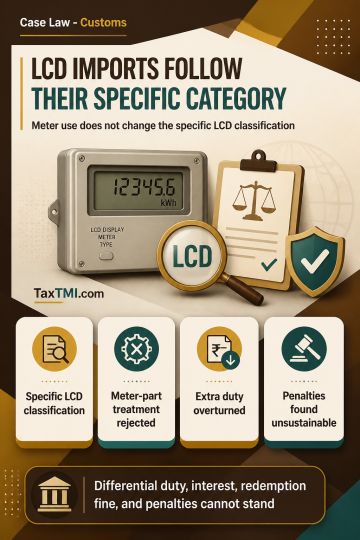
Specific tariff classification for LCD devices overrides treatment as electricity-meter parts, defeating differential duty, extended limitation, and p...
Stayed disciplinary punishment does not establish unfitness for insolvency professional registration; reconsideration must disregard mere pendency of ...
Indirect corporate control can create related-party status, excluding financial creditors from Committee of Creditors representation, participation an...
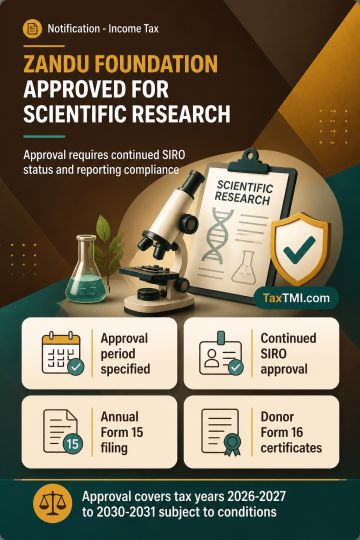
Scientific research association approval requires continuing SIRO status, annual donation reporting, and donor certificates for the approved foundatio...
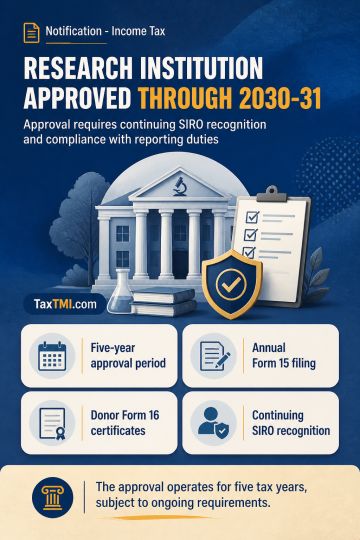
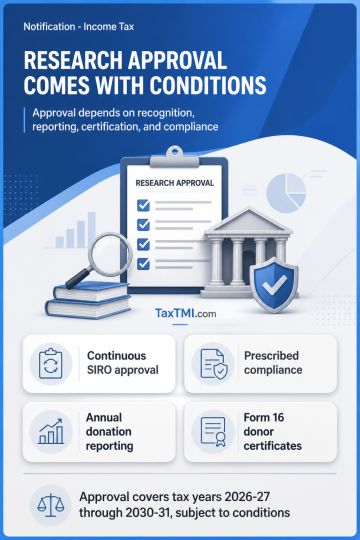
Scientific research institution approval is conditional on SIRO recognition, annual donation reporting, donor certification, and prescribed compliance...
ITAT adjudicated two key issues involving tax treatment of commercial transactions. First, regarding interest disallowance under section 36(1)(iii), the Tribunal held that loans advanced to third parties constituted genuine commercial transactions. Despite non-recovery of interest, the Tribunal found no evidence of fund diversion, ruling in favor of the assessee. Second, concerning melting charges, the Tribunal set aside the addition based on estimated melting gain, directing the Assessing Officer to delete the addition, respecting the assessee's maintained accounting records and following precedent from a prior assessment year. Both substantive issues were resolved in the assessee's favor, emphasizing commercial reasonableness and proper accounting practices.
ITAT adjudicated two key issues involving tax treatment of commercial transactions. First, regarding interest disallowance under section 36(1)(iii), the Tribunal held that loans advanced to third parties constituted genuine commercial transactions. Despite non-recovery of interest, the Tribunal found no evidence of fund diversion, ruling in favor of the assessee. Second, concerning melting charges, the Tribunal set aside the addition based on estimated melting gain, directing the Assessing Officer to delete the addition, respecting the assessee's maintained accounting records and following precedent from a prior assessment year. Both substantive issues were resolved in the assessee's favor, emphasizing commercial reasonableness and proper accounting practices.
Note: It is a system-generated summary and is for quick reference only.
 TaxTMI
  TaxTMI
 of 4879