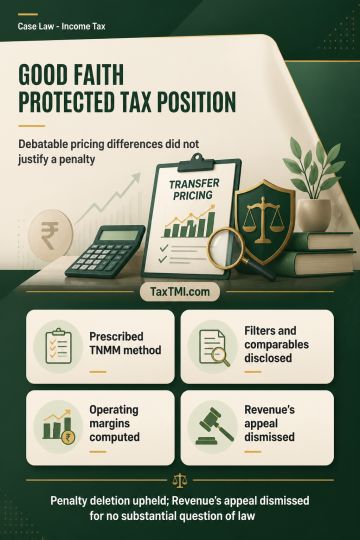
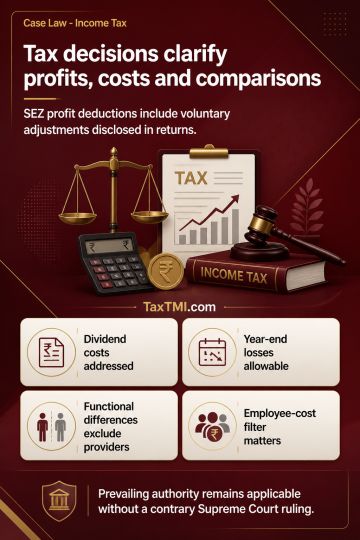
SEZ-unit profit deduction covers voluntary transfer-pricing adjustments, while exempt-income costs, foreign-exchange loss and ITeS comparables are exa...
ITAT adjudicated a dispute regarding Fees for Technical Services (FTS) in cross-border logistics services. The tribunal comprehensively analyzed the nature of services, emphasizing that FTS requires specialized knowledge transfer beyond mere service provision. The court distinguished between standard regulatory compliance and genuine technical expertise. Crucially, the tribunal determined that generic operational instructions, customs clearance procedures, and workforce standardization do not constitute FTS. The software development aspect was referenced with precedential principles from Supreme Court jurisprudence. Ultimately, the appellate tribunal allowed the assessee's appeal, rejecting the revenue department's contention of taxable FTS, thereby narrowing the interpretation of technical services under domestic tax regulations and bilateral tax treaty frameworks.
ITAT adjudicated a dispute regarding Fees for Technical Services (FTS) in cross-border logistics services. The tribunal comprehensively analyzed the nature of services, emphasizing that FTS requires specialized knowledge transfer beyond mere service provision. The court distinguished between standard regulatory compliance and genuine technical expertise. Crucially, the tribunal determined that generic operational instructions, customs clearance procedures, and workforce standardization do not constitute FTS. The software development aspect was referenced with precedential principles from Supreme Court jurisprudence. Ultimately, the appellate tribunal allowed the assessee's appeal, rejecting the revenue department's contention of taxable FTS, thereby narrowing the interpretation of technical services under domestic tax regulations and bilateral tax treaty frameworks.
Note: It is a system-generated summary and is for quick reference only.
 TaxTMI
  TaxTMI
 of 4881