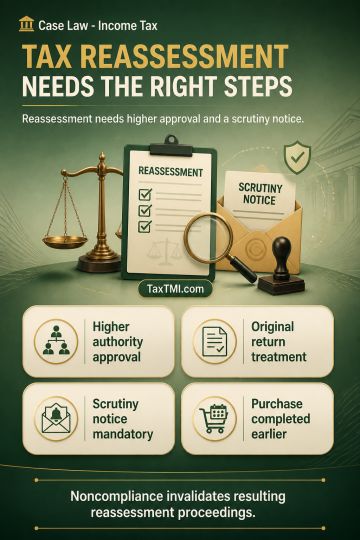
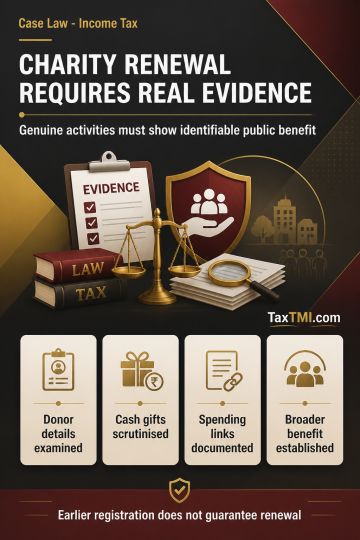
Opportunity to furnish unsecured-loan confirmations is required before reassessment initiation; proceedings require fresh consideration after taxpayer...
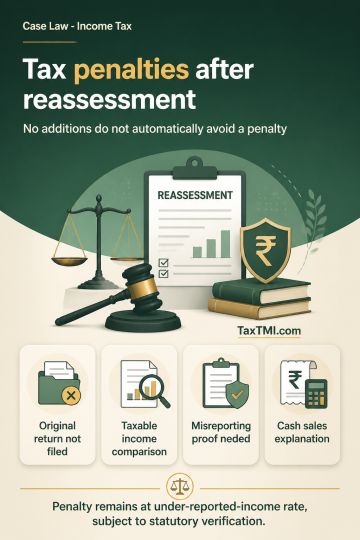
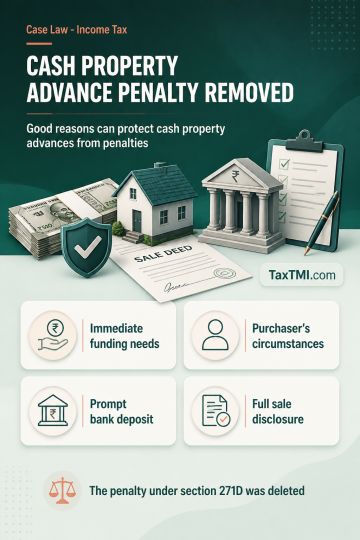
Under-reporting on a first reassessment return attracts penalty, while enhanced misreporting penalty requires proof of a statutory misreporting catego...
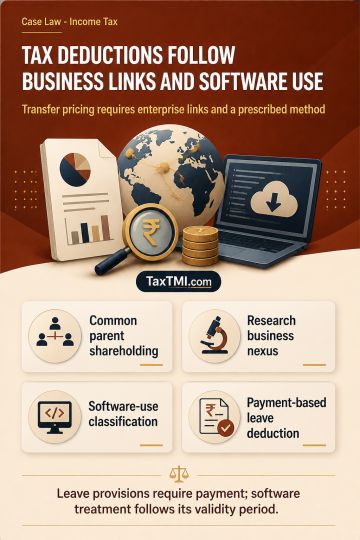
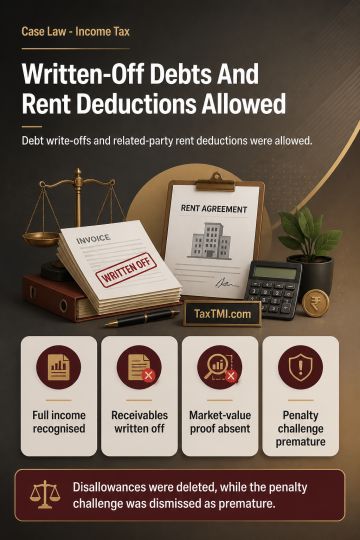
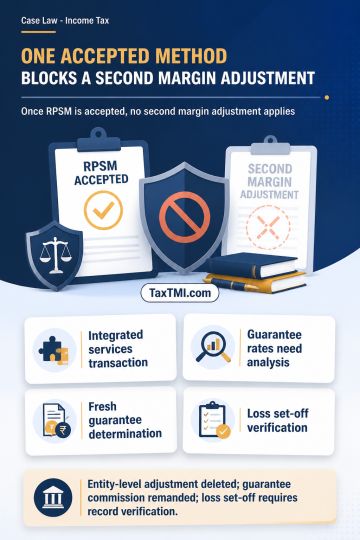
Form 26AS evidence requires successor-entity accounting verification after business transfer, while invoice-supported related-party advertising expend...
CESTAT held that the appellant's disposal of two non-motorable vehicles as scrap does not constitute a violation of Ad-hoc Exemption Order No. 336. The tribunal found that: (1) vehicles were no longer usable after 8-12 years of operation in desert conditions; (2) condition prohibiting sale does not apply to scrapped vehicles; (3) Show Cause Notice issued almost 20 years after duty payment is time-barred beyond the five-year limitation period. Consequently, the demand for customs duty, interest, and penalties was set aside, and the appellant's appeal was allowed, effectively quashing the department's claims against the appellant.
CESTAT held that the appellant's disposal of two non-motorable vehicles as scrap does not constitute a violation of Ad-hoc Exemption Order No. 336. The tribunal found that: (1) vehicles were no longer usable after 8-12 years of operation in desert conditions; (2) condition prohibiting sale does not apply to scrapped vehicles; (3) Show Cause Notice issued almost 20 years after duty payment is time-barred beyond the five-year limitation period. Consequently, the demand for customs duty, interest, and penalties was set aside, and the appellant's appeal was allowed, effectively quashing the department's claims against the appellant.
Note: It is a system-generated summary and is for quick reference only.
 TaxTMI
  TaxTMI
 of 4920