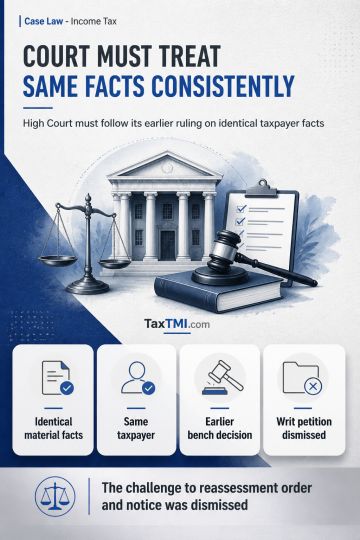
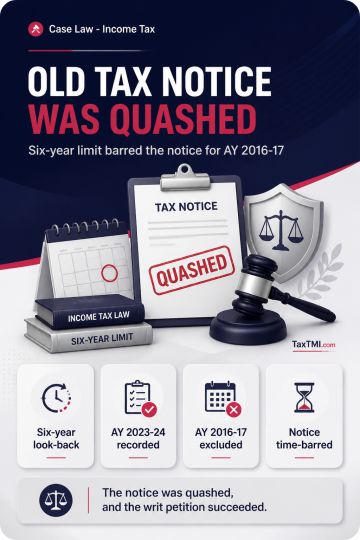
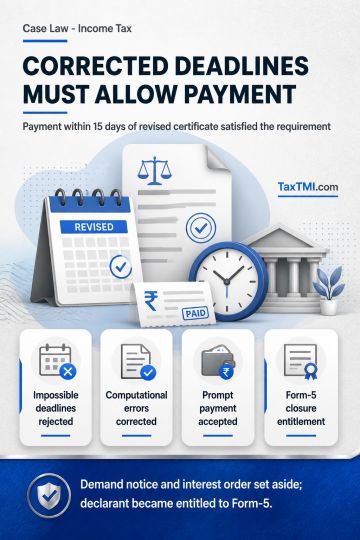
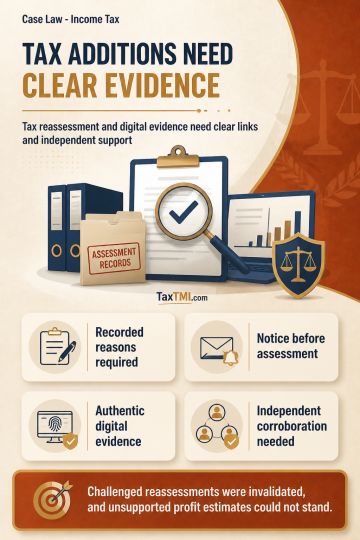
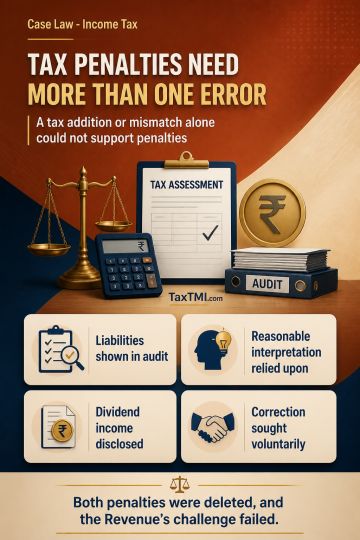
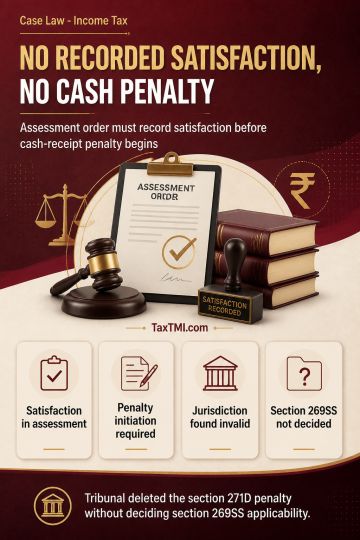
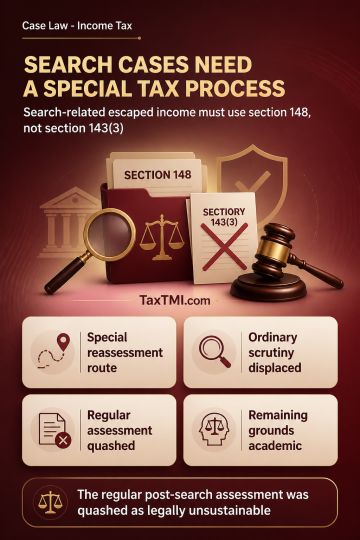
Judicial discipline requires consistent reassessment treatment where identical facts were decided for the same taxpayer in the preceding assessment ye...
CESTAT adjudicated a case involving alleged submission of false export documents. The tribunal found insufficient evidence to substantiate charges of abetment or fraudulent activity against the appellant, who merely acted as an intermediary transmitting documents received from a shipping agency to a Customs House Agent. Without credible proof of deliberate misconduct or material misrepresentation, the tribunal ruled that imposing penalties under Sections 114(iii) and 114AA of the Customs Act, 1962 was unjustified. Relying on precedent from a similar case, the tribunal emphasized that penalties can only be imposed when positive involvement in fraudulent import/export is conclusively established. The appeal was consequently allowed, and the penalties were set aside.
CESTAT adjudicated a case involving alleged submission of false export documents. The tribunal found insufficient evidence to substantiate charges of abetment or fraudulent activity against the appellant, who merely acted as an intermediary transmitting documents received from a shipping agency to a Customs House Agent. Without credible proof of deliberate misconduct or material misrepresentation, the tribunal ruled that imposing penalties under Sections 114(iii) and 114AA of the Customs Act, 1962 was unjustified. Relying on precedent from a similar case, the tribunal emphasized that penalties can only be imposed when positive involvement in fraudulent import/export is conclusively established. The appeal was consequently allowed, and the penalties were set aside.
Note: It is a system-generated summary and is for quick reference only.
 TaxTMI
  TaxTMI
 of 4886