Human-probability test defeats political donation deductions where banking records mask accommodation-entry fund layering rather than genuine contribu...
Electronic evidence and search statements in tax assessments require authenticity review and corroboration, while procedural manuals lack statutory fo...
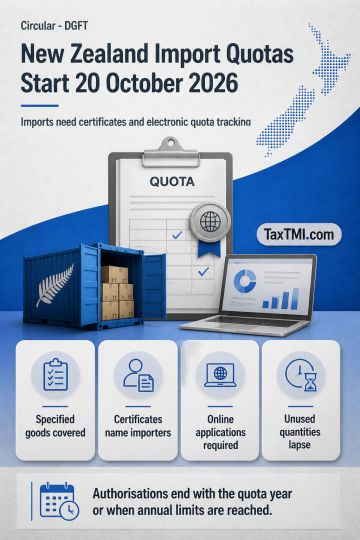
Tariff rate quota authorisations govern preferential imports of specified New Zealand goods through export certification and electronic customs debiti...
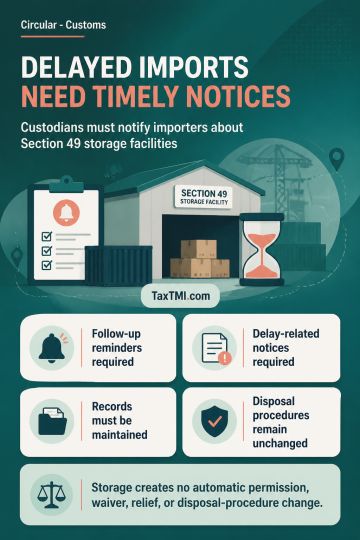
Electronic Continuity Bond Registration replaces manual container permissions, with quarterly reporting and re-export monitoring for duty-free contain...
NCLAT dismissed the appeal, holding that Cumulative Redeemable Preference Shares (CRPS) do not constitute a debt under Section 7 of the Insolvency Code. The Tribunal found no default as the company neither declared dividends nor earned profits to redeem the preferential shares. The CRPS were determined to be part of preferential share capital, precluding the initiation of insolvency proceedings. The Appellant was barred from presenting additional evidence beyond the share allotment, and the absence of redemption mechanisms or fresh share issue proceeds further negated the claim of an existing debt, resulting in the comprehensive rejection of the Section 7 application.
NCLAT dismissed the appeal, holding that Cumulative Redeemable Preference Shares (CRPS) do not constitute a debt under Section 7 of the Insolvency Code. The Tribunal found no default as the company neither declared dividends nor earned profits to redeem the preferential shares. The CRPS were determined to be part of preferential share capital, precluding the initiation of insolvency proceedings. The Appellant was barred from presenting additional evidence beyond the share allotment, and the absence of redemption mechanisms or fresh share issue proceeds further negated the claim of an existing debt, resulting in the comprehensive rejection of the Section 7 application.
Note: It is a system-generated summary and is for quick reference only.
 TaxTMI
 TaxTMI

 of 4921