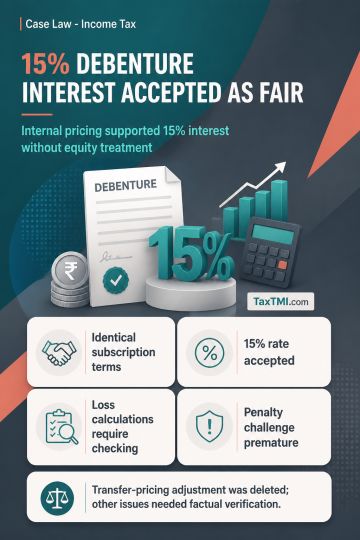
Internal comparable pricing supports arm's-length interest on compulsorily convertible debentures, preventing their recharacterisation as equity for t...
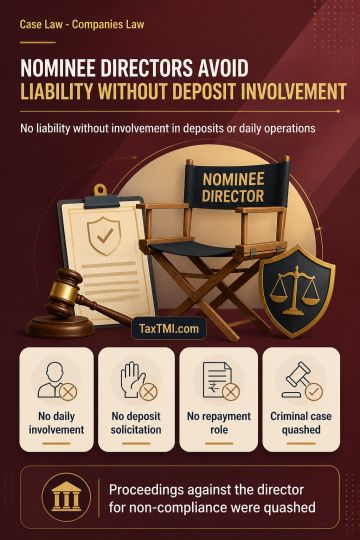
Nominee director protection shields independent financial-institution appointees from criminal liability where they lack involvement in deposit defaul...
ITAT ruled that the appellant failed to substantiate the genuineness of purchase transactions involving shell companies. Despite presenting bank statements and tax challans, the tribunal found the documentary evidence insufficient to prove legitimate business transactions. The AO's findings of non-existent suppliers and lack of cross-examination were upheld. Consequently, the tribunal allowed a 12.5% disallowance of unverified purchase amounts, effectively rejecting the appellant's appeal grounds and maintaining the original assessment order's core findings regarding tax evasion through grey market purchases.
ITAT ruled that the appellant failed to substantiate the genuineness of purchase transactions involving shell companies. Despite presenting bank statements and tax challans, the tribunal found the documentary evidence insufficient to prove legitimate business transactions. The AO's findings of non-existent suppliers and lack of cross-examination were upheld. Consequently, the tribunal allowed a 12.5% disallowance of unverified purchase amounts, effectively rejecting the appellant's appeal grounds and maintaining the original assessment order's core findings regarding tax evasion through grey market purchases.
Note: It is a system-generated summary and is for quick reference only.
 TaxTMI
  TaxTMI
 of 4878