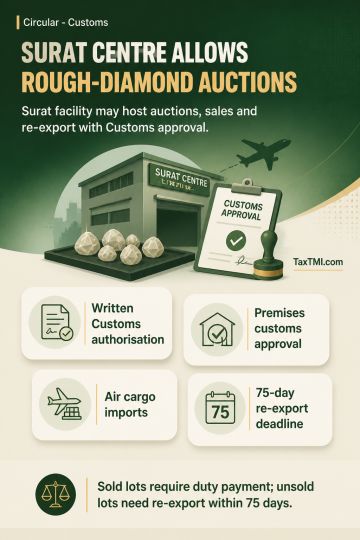
Customs exemptions cover photovoltaic assembly machinery and PVF backsheets, while fully declared cleared imports may avoid confiscation and penalties...
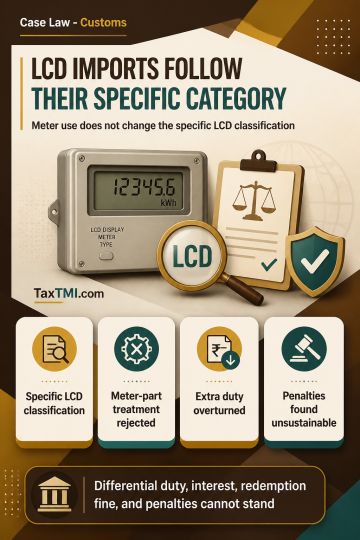
Specific tariff classification for LCD devices overrides treatment as electricity-meter parts, defeating differential duty, extended limitation, and p...
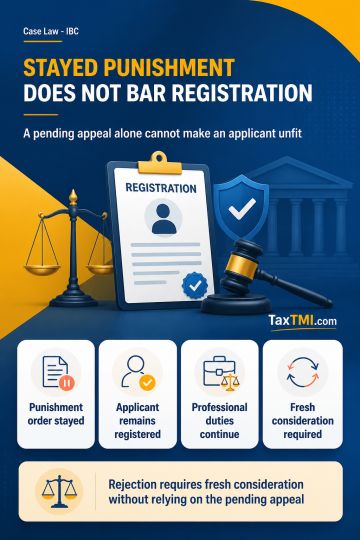
Stayed disciplinary punishment does not establish unfitness for insolvency professional registration; reconsideration must disregard mere pendency of ...
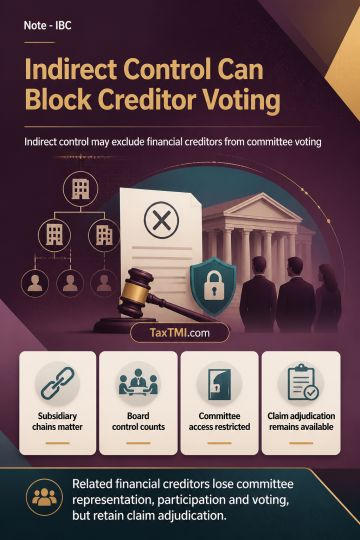
Indirect corporate control can create related-party status, excluding financial creditors from Committee of Creditors representation, participation an...
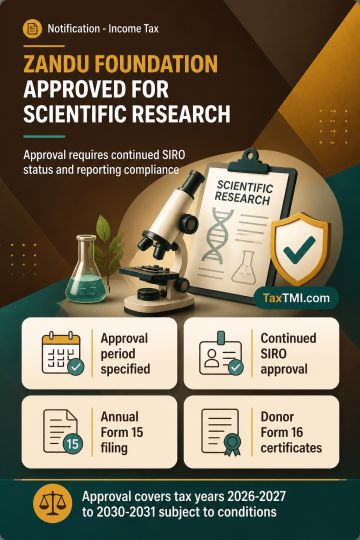
Scientific research association approval requires continuing SIRO status, annual donation reporting, and donor certificates for the approved foundatio...
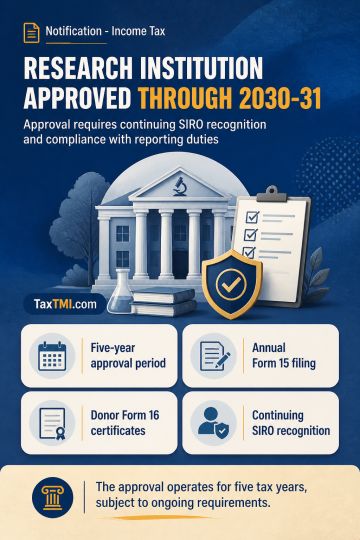
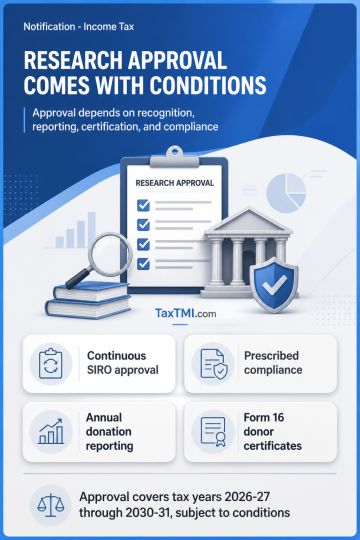
Scientific research institution approval is conditional on SIRO recognition, annual donation reporting, donor certification, and prescribed compliance...
NCLAT dismissed the appeal challenging the rejection of a Section 9 insolvency application. The operational creditor's default dates (03.05.2020, 15.08.2020, and 01.01.2021) fell within the Section 10A prohibited period under IBC. Consistent with Supreme Court precedent in Ramesh Kymal, the tribunal held that defaults occurring during the specified COVID-19 period cannot form the basis for initiating corporate insolvency resolution proceedings. The tribunal emphasized that the creditor bore the responsibility to amend default dates if required, and the adjudicating authority was not obligated to modify dates sua sponte. Consequently, the Section 9 application was deemed non-maintainable, and the appeal was dismissed without merit.
NCLAT dismissed the appeal challenging the rejection of a Section 9 insolvency application. The operational creditor's default dates (03.05.2020, 15.08.2020, and 01.01.2021) fell within the Section 10A prohibited period under IBC. Consistent with Supreme Court precedent in Ramesh Kymal, the tribunal held that defaults occurring during the specified COVID-19 period cannot form the basis for initiating corporate insolvency resolution proceedings. The tribunal emphasized that the creditor bore the responsibility to amend default dates if required, and the adjudicating authority was not obligated to modify dates sua sponte. Consequently, the Section 9 application was deemed non-maintainable, and the appeal was dismissed without merit.
Note: It is a system-generated summary and is for quick reference only.
 TaxTMI
  TaxTMI
 of 4879