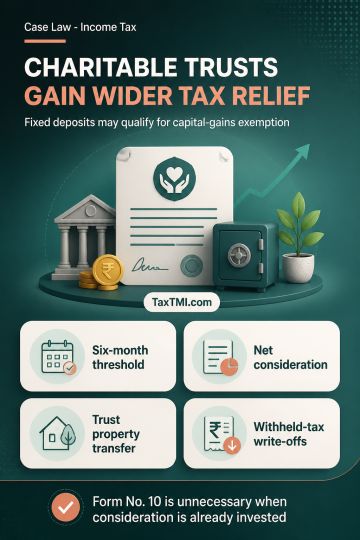
Capital-gains exemption for charitable trusts extends to qualifying fixed deposits, while unrecoverable TDS write-offs may constitute income applicati...
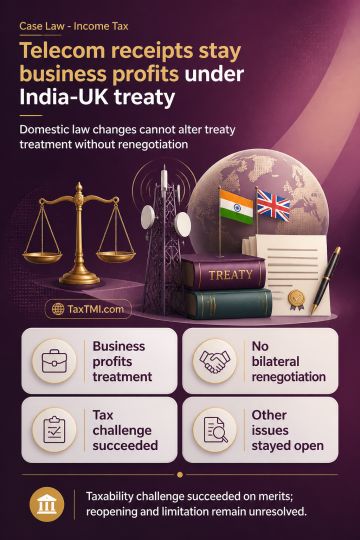
India-UK treaty characterisation of telecom-service receipts as business profits withstands unilateral domestic-law amendments for Indian tax purposes...
NCLAT dismissed the appeal challenging the rejection of a Section 9 insolvency application. The operational creditor's default dates (03.05.2020, 15.08.2020, and 01.01.2021) fell within the Section 10A prohibited period under IBC. Consistent with Supreme Court precedent in Ramesh Kymal, the tribunal held that defaults occurring during the specified COVID-19 period cannot form the basis for initiating corporate insolvency resolution proceedings. The tribunal emphasized that the creditor bore the responsibility to amend default dates if required, and the adjudicating authority was not obligated to modify dates sua sponte. Consequently, the Section 9 application was deemed non-maintainable, and the appeal was dismissed without merit.
NCLAT dismissed the appeal challenging the rejection of a Section 9 insolvency application. The operational creditor's default dates (03.05.2020, 15.08.2020, and 01.01.2021) fell within the Section 10A prohibited period under IBC. Consistent with Supreme Court precedent in Ramesh Kymal, the tribunal held that defaults occurring during the specified COVID-19 period cannot form the basis for initiating corporate insolvency resolution proceedings. The tribunal emphasized that the creditor bore the responsibility to amend default dates if required, and the adjudicating authority was not obligated to modify dates sua sponte. Consequently, the Section 9 application was deemed non-maintainable, and the appeal was dismissed without merit.
Note: It is a system-generated summary and is for quick reference only.
 TaxTMI
  TaxTMI
 of 4884