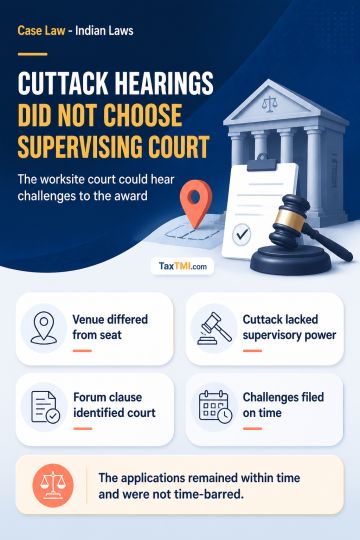
Juridical seat versus arbitral venue determines supervisory court jurisdiction, while timely award challenges remain within the prescribed limitation ...
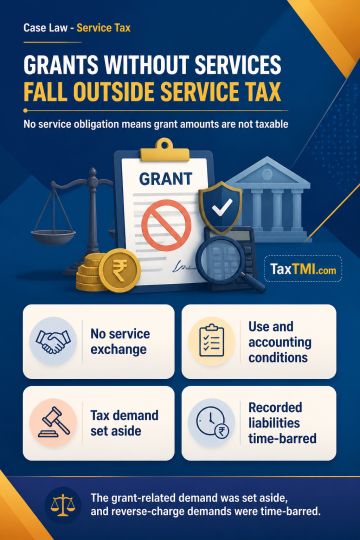
CESTAT adjudicated a service tax dispute involving a governmental authority's tax liability. The tribunal rejected the appellant's claims of exemption under Notification No.25/2012-ST, finding no merit in their arguments about agricultural extension services. The tribunal determined that the appellant deliberately suppressed service tax information in ST-3 returns, warranting invocation of extended limitation period. The tribunal found the appellant's services taxable under the Finance Act, 1994, and upheld penalties under Sections 77 and 78. Ultimately, the appeal was partially allowed, with the case remanded to the original authority to recompute tax demand while allowing cum tax benefit, recognizing that service tax was not separately collected from service recipients.
CESTAT adjudicated a service tax dispute involving a governmental authority's tax liability. The tribunal rejected the appellant's claims of exemption under Notification No.25/2012-ST, finding no merit in their arguments about agricultural extension services. The tribunal determined that the appellant deliberately suppressed service tax information in ST-3 returns, warranting invocation of extended limitation period. The tribunal found the appellant's services taxable under the Finance Act, 1994, and upheld penalties under Sections 77 and 78. Ultimately, the appeal was partially allowed, with the case remanded to the original authority to recompute tax demand while allowing cum tax benefit, recognizing that service tax was not separately collected from service recipients.
Note: It is a system-generated summary and is for quick reference only.
 TaxTMI
  TaxTMI
 of 4881