Customs exemptions cover photovoltaic assembly machinery and PVF backsheets, while fully declared cleared imports may avoid confiscation and penalties...
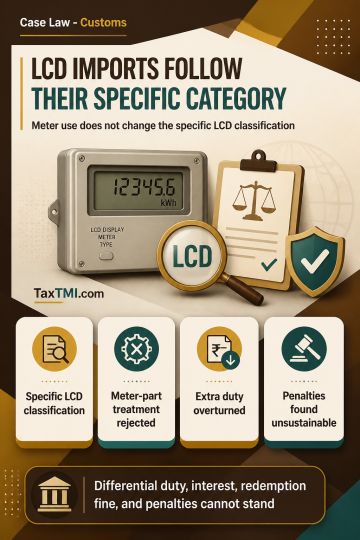
Specific tariff classification for LCD devices overrides treatment as electricity-meter parts, defeating differential duty, extended limitation, and p...
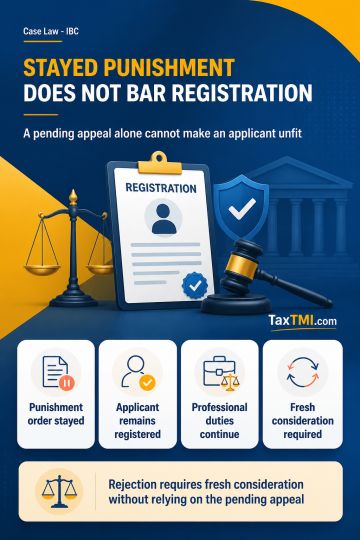
Stayed disciplinary punishment does not establish unfitness for insolvency professional registration; reconsideration must disregard mere pendency of ...
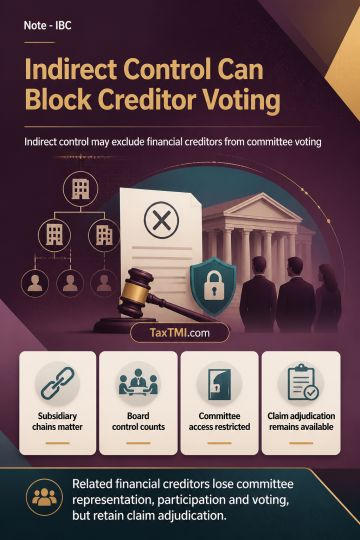
Indirect corporate control can create related-party status, excluding financial creditors from Committee of Creditors representation, participation an...
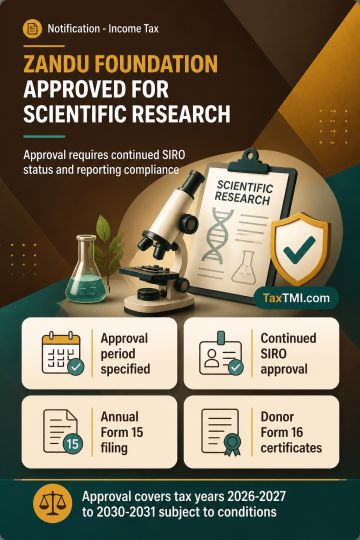
Scientific research association approval requires continuing SIRO status, annual donation reporting, and donor certificates for the approved foundatio...
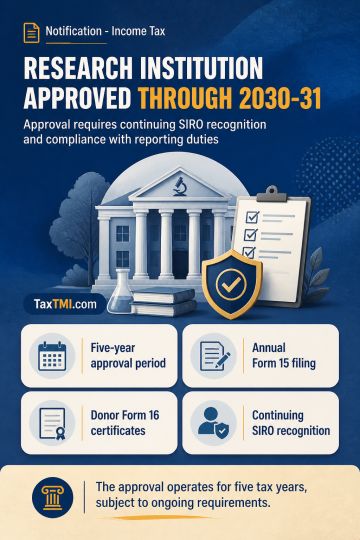
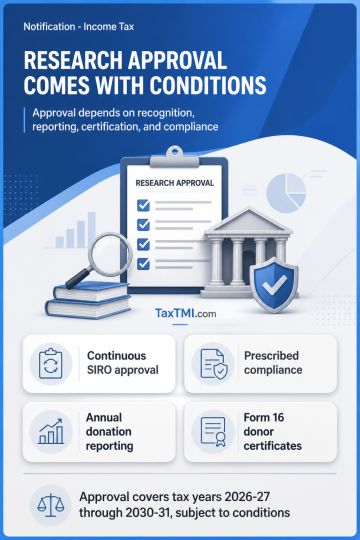
Scientific research institution approval is conditional on SIRO recognition, annual donation reporting, donor certification, and prescribed compliance...
CESTAT adjudicated a service tax dispute involving compensation for lost drilling equipment. The tribunal held that compensation for "Lost-in-Hole" items constitutes accidental damages not relatable to service provisions and therefore cannot be included in taxable service value. The Additional Director General's attempt to invoke extended limitation period was rejected, as there was no willful suppression or intent to evade tax. The audit records demonstrated transparency, and mere procedural oversight did not justify extended limitation. Consequently, the tribunal allowed the appeal, setting aside the tax demand for both the standard and extended periods based on the absence of fraudulent intent and improper valuation of taxable services.
CESTAT adjudicated a service tax dispute involving compensation for lost drilling equipment. The tribunal held that compensation for "Lost-in-Hole" items constitutes accidental damages not relatable to service provisions and therefore cannot be included in taxable service value. The Additional Director General's attempt to invoke extended limitation period was rejected, as there was no willful suppression or intent to evade tax. The audit records demonstrated transparency, and mere procedural oversight did not justify extended limitation. Consequently, the tribunal allowed the appeal, setting aside the tax demand for both the standard and extended periods based on the absence of fraudulent intent and improper valuation of taxable services.
Note: It is a system-generated summary and is for quick reference only.
 TaxTMI
  TaxTMI
 of 4879