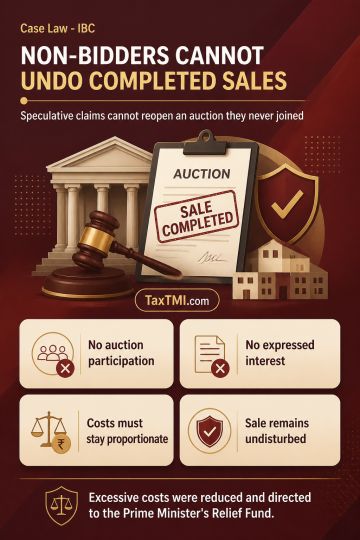
Non-participating bidders cannot disturb concluded liquidation sales on speculative prejudice, while costs for such challenges must remain proportiona...
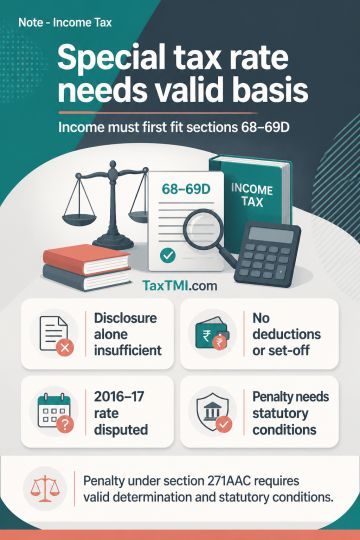
Section 115BBE classification requires a valid deeming-provision basis before special taxation, while the enhanced rate's temporal application remains...
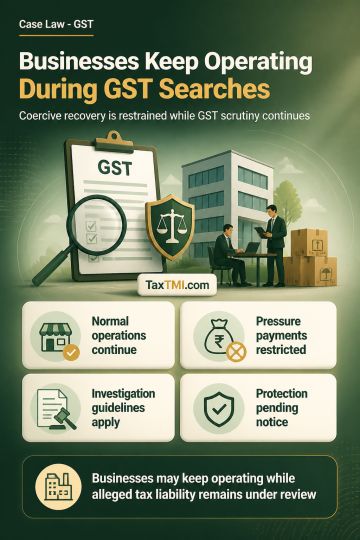
Coercive recovery during GST searches is restrained pending scrutiny, preserving normal business operations and requiring adherence to investigation g...
The AAR ruled that goods supplied by the applicant, despite being a victim of fraud without receiving consideration, still constituted a "supply" under GST law. The authority determined that while fraud may vitiate a contract, it does not negate the statutory definition of "supply" under section 7 of the CGST Act. The facts established that goods were physically removed and received at the destination, as confirmed by the FIR. The AAR concluded that the transaction qualified as supply of goods under section 20 of the IGST Act read with sections 12 and 7 of the CGST Act, regardless of the fraudulent nature of the order.
The AAR ruled that goods supplied by the applicant, despite being a victim of fraud without receiving consideration, still constituted a "supply" under GST law. The authority determined that while fraud may vitiate a contract, it does not negate the statutory definition of "supply" under section 7 of the CGST Act. The facts established that goods were physically removed and received at the destination, as confirmed by the FIR. The AAR concluded that the transaction qualified as supply of goods under section 20 of the IGST Act read with sections 12 and 7 of the CGST Act, regardless of the fraudulent nature of the order.
Note: It is a system-generated summary and is for quick reference only.
 TaxTMI
  TaxTMI
 of 4897