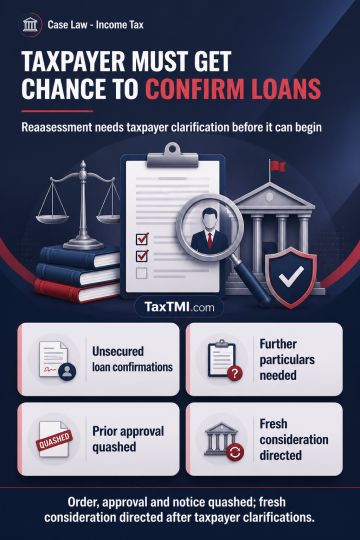
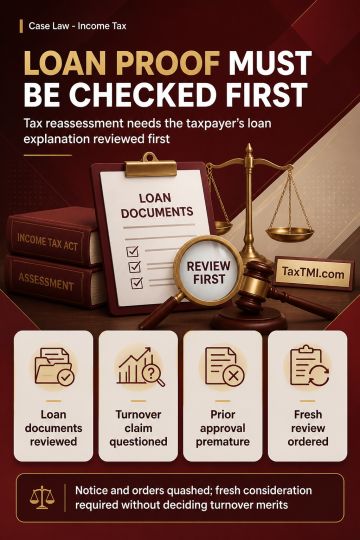
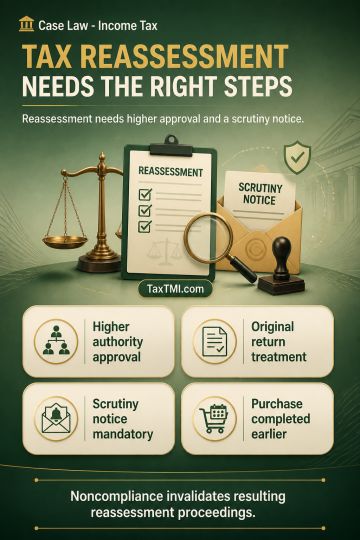
Opportunity to furnish unsecured-loan confirmations is required before reassessment initiation; proceedings require fresh consideration after taxpayer...
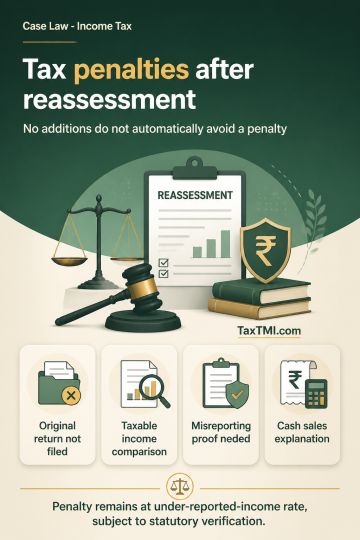
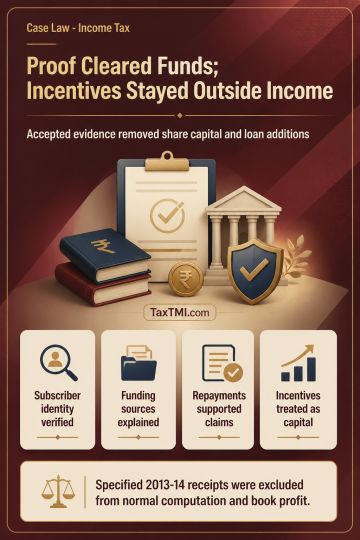
Under-reporting on a first reassessment return attracts penalty, while enhanced misreporting penalty requires proof of a statutory misreporting catego...
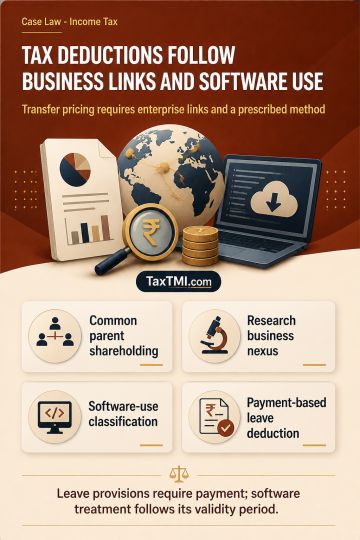
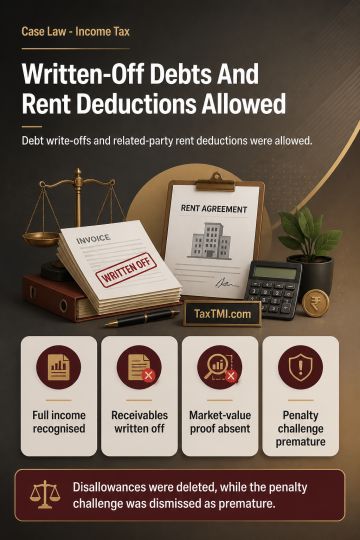
Form 26AS evidence requires successor-entity accounting verification after business transfer, while invoice-supported related-party advertising expend...
The CESTAT dismissed the appellant's refund claim for service tax paid on 60% of the value of services rendered under reverse charge mechanism. The Tribunal held that refund proceedings are in the nature of execution proceedings, and refunds cannot be sanctioned without first modifying the assessment, following the Supreme Court's decision in ITC Ltd. The adjudicating authority had determined on merits that the appellant was liable to pay service tax on 50% of the total billing amount. The CESTAT confirmed that a self-assessed return constitutes an assessment which, unless properly challenged and modified through appropriate legal channels, cannot be questioned in refund proceedings, consistent with the ruling in Jagdamba Phosphate.
The CESTAT dismissed the appellant's refund claim for service tax paid on 60% of the value of services rendered under reverse charge mechanism. The Tribunal held that refund proceedings are in the nature of execution proceedings, and refunds cannot be sanctioned without first modifying the assessment, following the Supreme Court's decision in ITC Ltd. The adjudicating authority had determined on merits that the appellant was liable to pay service tax on 50% of the total billing amount. The CESTAT confirmed that a self-assessed return constitutes an assessment which, unless properly challenged and modified through appropriate legal channels, cannot be questioned in refund proceedings, consistent with the ruling in Jagdamba Phosphate.
Note: It is a system-generated summary and is for quick reference only.
 TaxTMI
  TaxTMI
 of 4920