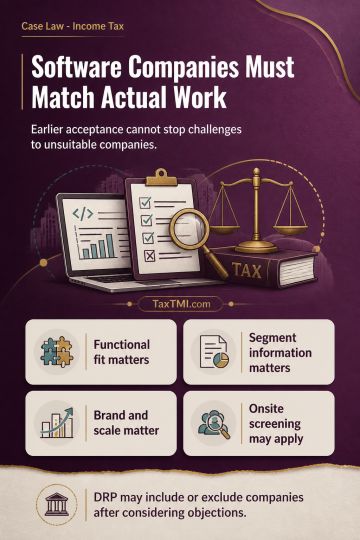
Transfer-pricing comparability permits fresh objections and filters where software service comparables are functionally unsuitable for arm's-length pr...
Territorial rendering requirement excludes China-based management and consultancy services from fees for technical services under the India-China DTAA...
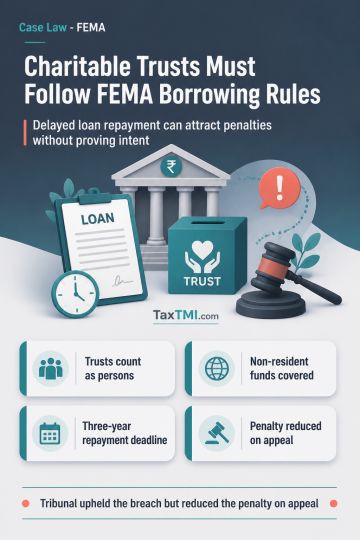
FEMA borrowing restrictions bind charitable trusts, and civil penalties apply without proving intent for delayed repayment of non-resident rupee loans...
The ITAT ruled in favor of the appellant, allowing credit for TDS deducted under Section 194C. The Tribunal determined that despite transferring gross contract receipts to constituent partners on a back-to-back basis, the appellant properly reported the profit/loss in its own returns. The AO erroneously invoked Section 238(1) to deny TDS credit, overlooking that the appellant had disclosed relevant profits and claimed corresponding TDS in accordance with Section 199(1) and Rule 37BA(1). Since payments were made to the appellant and TDS was remitted to the government in the appellant's name as evidenced by Form 26AS, the appellant alone was entitled to claim the TDS credit.
The ITAT ruled in favor of the appellant, allowing credit for TDS deducted under Section 194C. The Tribunal determined that despite transferring gross contract receipts to constituent partners on a back-to-back basis, the appellant properly reported the profit/loss in its own returns. The AO erroneously invoked Section 238(1) to deny TDS credit, overlooking that the appellant had disclosed relevant profits and claimed corresponding TDS in accordance with Section 199(1) and Rule 37BA(1). Since payments were made to the appellant and TDS was remitted to the government in the appellant's name as evidenced by Form 26AS, the appellant alone was entitled to claim the TDS credit.
Note: It is a system-generated summary and is for quick reference only.
 TaxTMI
  TaxTMI
 of 4891