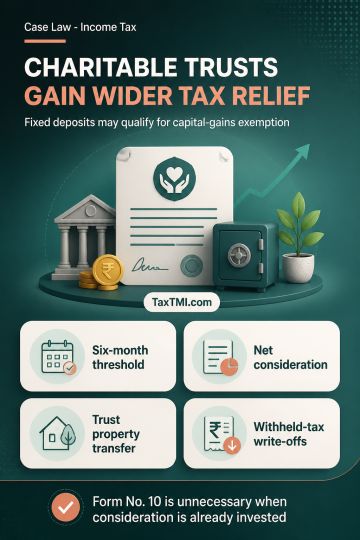
Capital-gains exemption for charitable trusts extends to qualifying fixed deposits, while unrecoverable TDS write-offs may constitute income applicati...
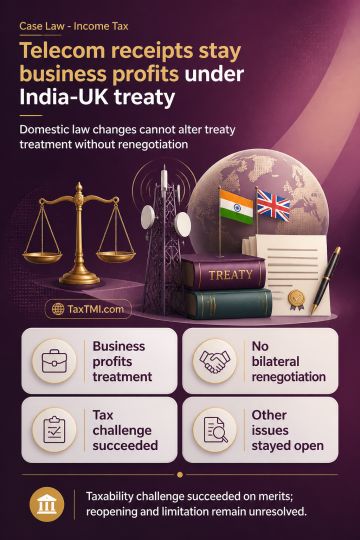
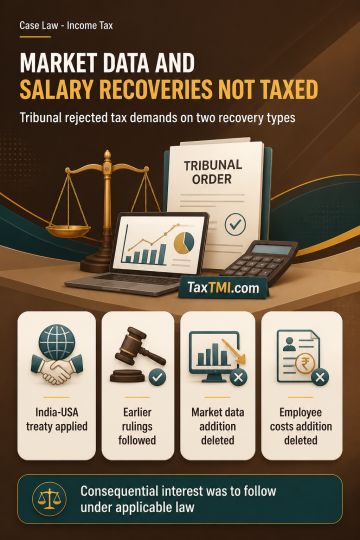
India-UK treaty characterisation of telecom-service receipts as business profits withstands unilateral domestic-law amendments for Indian tax purposes...
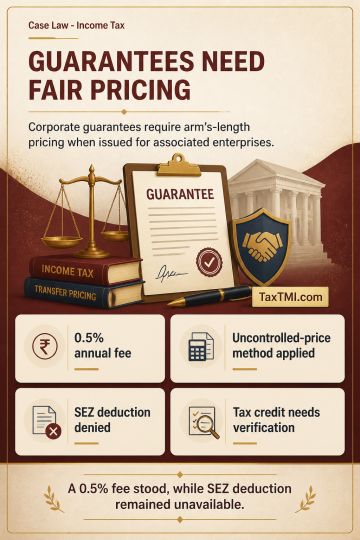
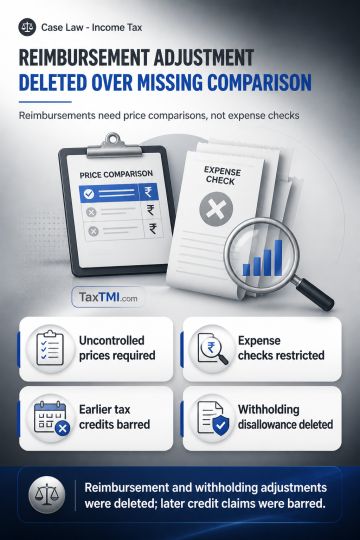
Transfer-pricing reimbursement adjustments require uncontrolled comparables and cannot become expense-genuineness reviews, resulting in deletion of th...
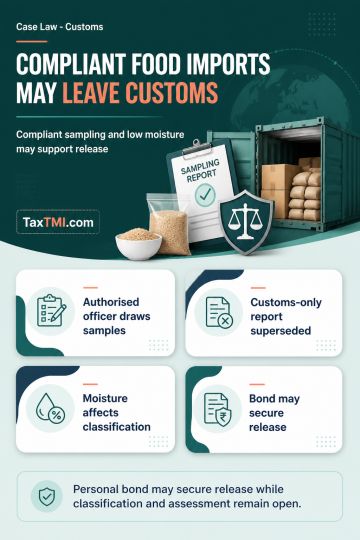
Food import sampling requirements support provisional release where unseized consignments conform to standards and raw areca classification is unestab...
The NCLAT dismissed an appeal challenging a Scheme of Arrangement between ICICI Bank Ltd and ICICI Securities Ltd. The Tribunal held that appellants lacked standing to object as they did not meet the shareholding threshold under s.230(4) of Companies Act, 2013. The NCLAT found no conflict between s.230 and Regulation 37 of SEBI Delisting Regulations, ruling that no separate meeting of public shareholders was required as the scheme uniformly affected all equity shareholders. The scheme had received approval from 93.82% of equity shareholders and 71.89% of public shareholders. The appellants' minimal 0.08% shareholding was insufficient to maintain the appeal as "aggrieved persons," with the Tribunal noting that their objections were impeding shareholder democracy.
The NCLAT dismissed an appeal challenging a Scheme of Arrangement between ICICI Bank Ltd and ICICI Securities Ltd. The Tribunal held that appellants lacked standing to object as they did not meet the shareholding threshold under s.230(4) of Companies Act, 2013. The NCLAT found no conflict between s.230 and Regulation 37 of SEBI Delisting Regulations, ruling that no separate meeting of public shareholders was required as the scheme uniformly affected all equity shareholders. The scheme had received approval from 93.82% of equity shareholders and 71.89% of public shareholders. The appellants' minimal 0.08% shareholding was insufficient to maintain the appeal as "aggrieved persons," with the Tribunal noting that their objections were impeding shareholder democracy.
Note: It is a system-generated summary and is for quick reference only.
 TaxTMI
  TaxTMI
 of 4894