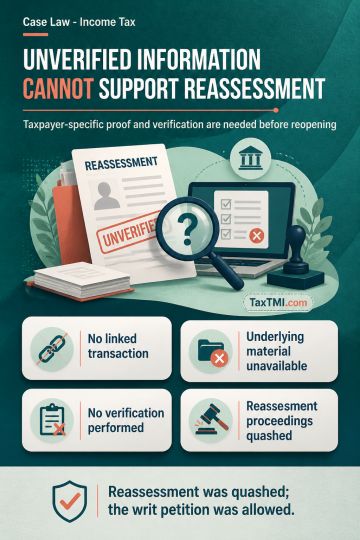
Unverified Insight Portal Information Cannot Justify Reassessment Without a Verified Taxpayer-Specific Income-Escape Nexus or Demonstrated Application...
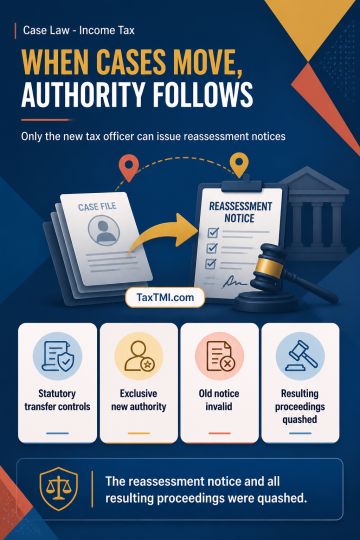
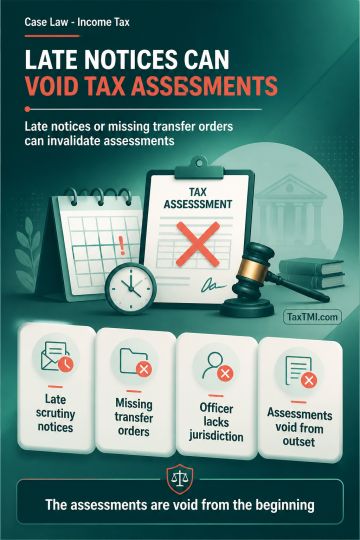
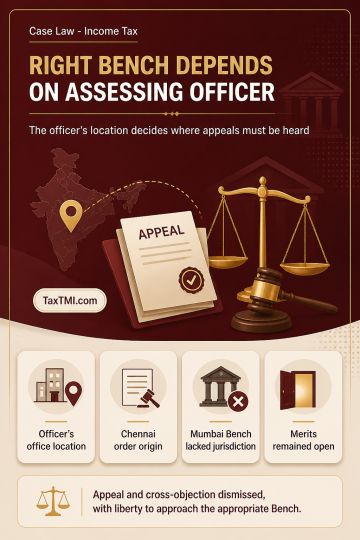
Assessing Officer jurisdiction after statutory transfer invalidates reassessment notices issued by transferor officers and nullifies resulting proceed...
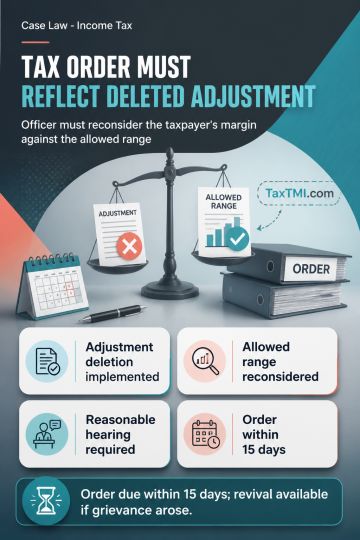
Consequential appeal-effect orders must implement rectification deleting working-capital adjustments and reconsider the resulting arm's-length range c...
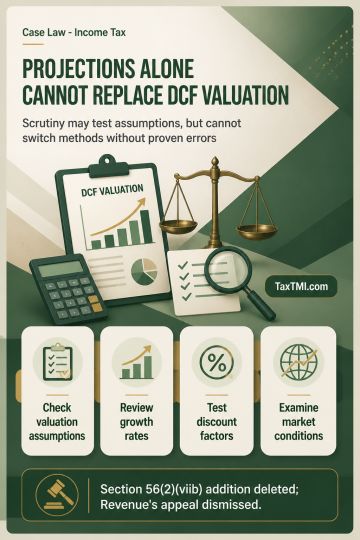
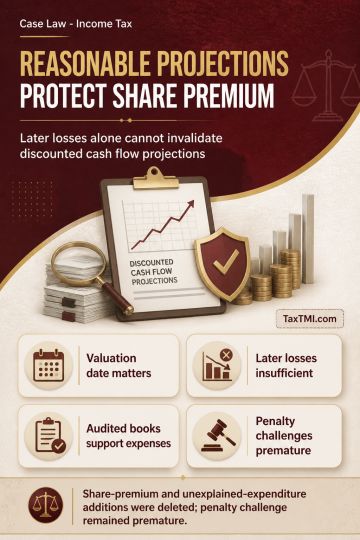
Discounted cash flow valuation protects share premium where projections are reasonable, while audited book expenses defeat unexplained-expenditure add...
Section 54 construction relief survives pre-transfer commencement when completion occurs within the statutory period, excluding ineligible spouse-owne...
The NCLAT dismissed an appeal challenging a Scheme of Arrangement between ICICI Bank Ltd and ICICI Securities Ltd. The Tribunal held that appellants lacked standing to object as they did not meet the shareholding threshold under s.230(4) of Companies Act, 2013. The NCLAT found no conflict between s.230 and Regulation 37 of SEBI Delisting Regulations, ruling that no separate meeting of public shareholders was required as the scheme uniformly affected all equity shareholders. The scheme had received approval from 93.82% of equity shareholders and 71.89% of public shareholders. The appellants' minimal 0.08% shareholding was insufficient to maintain the appeal as "aggrieved persons," with the Tribunal noting that their objections were impeding shareholder democracy.
The NCLAT dismissed an appeal challenging a Scheme of Arrangement between ICICI Bank Ltd and ICICI Securities Ltd. The Tribunal held that appellants lacked standing to object as they did not meet the shareholding threshold under s.230(4) of Companies Act, 2013. The NCLAT found no conflict between s.230 and Regulation 37 of SEBI Delisting Regulations, ruling that no separate meeting of public shareholders was required as the scheme uniformly affected all equity shareholders. The scheme had received approval from 93.82% of equity shareholders and 71.89% of public shareholders. The appellants' minimal 0.08% shareholding was insufficient to maintain the appeal as "aggrieved persons," with the Tribunal noting that their objections were impeding shareholder democracy.
Note: It is a system-generated summary and is for quick reference only.
 TaxTMI
  TaxTMI
 of 4891