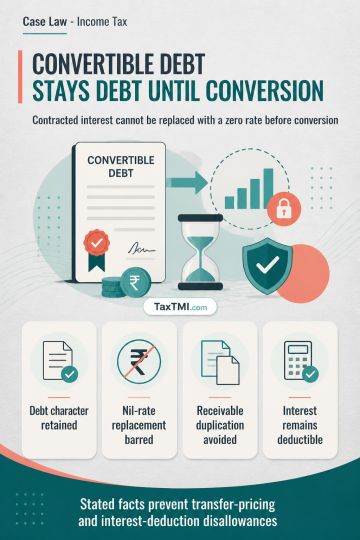
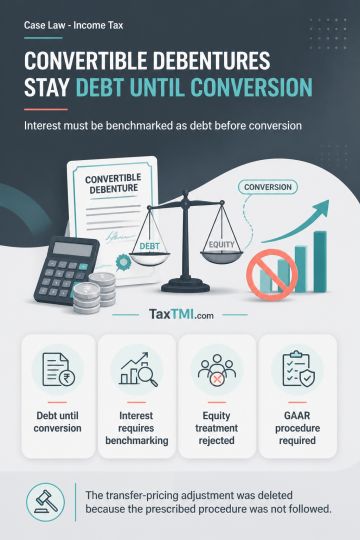
Compulsorily convertible debentures remain debt before conversion, preventing transfer-pricing and interest-deduction disallowances on the stated fact...
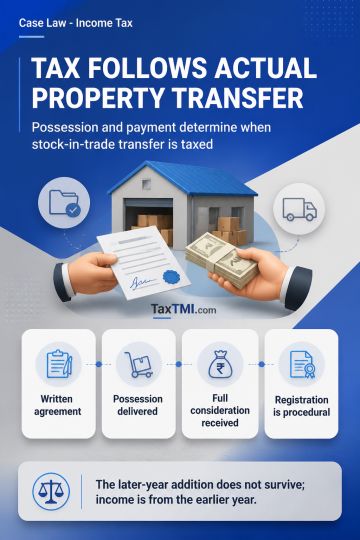
Stock-in-trade transfer taxability follows possession and consideration, not later conveyance registration, limiting deemed-value provisions to the ac...
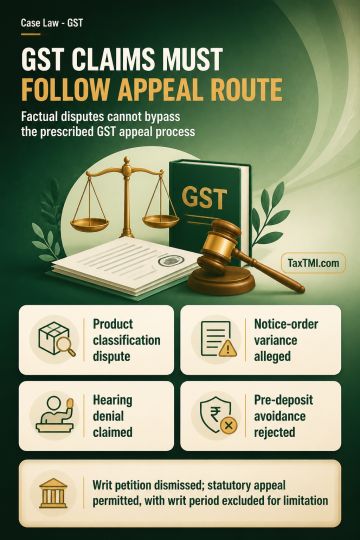
Alternative statutory remedy under GST bars writ challenge where classification, notice variance, and hearing disputes require factual appellate revie...
The HC ruled in favor of the petitioner, ordering the release of seized goods upon deposit of the valuation amount. The court found that the respondent failed to provide notice of extension before the six-month seizure period expired, violating Section 67(7) of the CGST Act. The court rejected the respondent's claim of "sufficient cause" based on documents not in the public domain, which denied the petitioner opportunity to respond. The HC emphasized that delayed valuation despite the assessee's cooperation cannot constitute "sufficient cause" for extending seizure. The court clarified that confiscation under Section 130 cannot be equated with seizure powers under Section 67, and that affected parties must be shown "sufficient cause" with proper notice and hearing rights.
The HC ruled in favor of the petitioner, ordering the release of seized goods upon deposit of the valuation amount. The court found that the respondent failed to provide notice of extension before the six-month seizure period expired, violating Section 67(7) of the CGST Act. The court rejected the respondent's claim of "sufficient cause" based on documents not in the public domain, which denied the petitioner opportunity to respond. The HC emphasized that delayed valuation despite the assessee's cooperation cannot constitute "sufficient cause" for extending seizure. The court clarified that confiscation under Section 130 cannot be equated with seizure powers under Section 67, and that affected parties must be shown "sufficient cause" with proper notice and hearing rights.
Note: It is a system-generated summary and is for quick reference only.
 TaxTMI
  TaxTMI
 of 4888