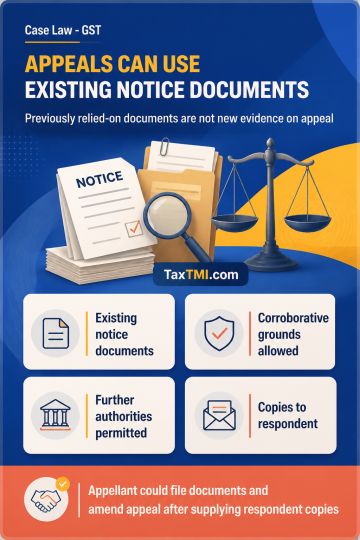
Additional evidence in departmental appeals may include show-cause-notice material without introducing a new case where it merely corroborates existin...
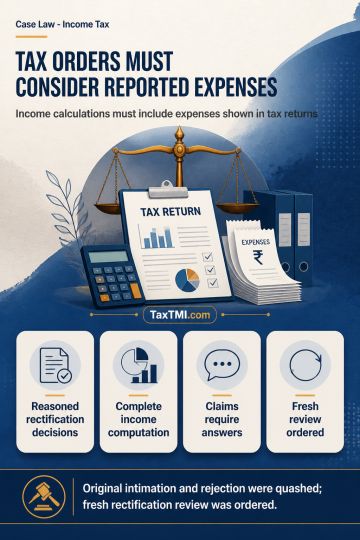
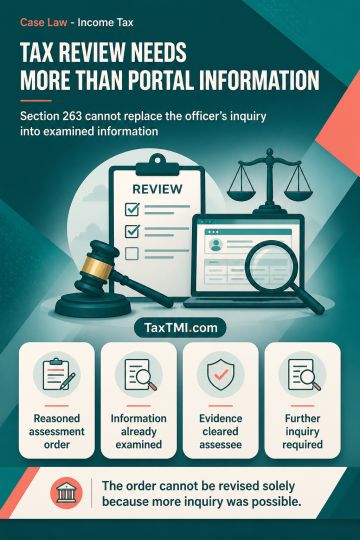
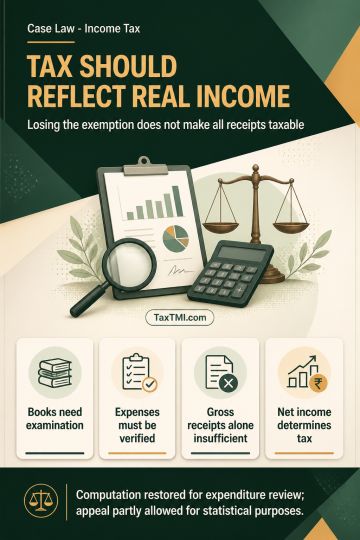
Reasoned rectification orders require consideration of expenditure disclosed in income-tax returns, preventing revision based on incomplete income com...
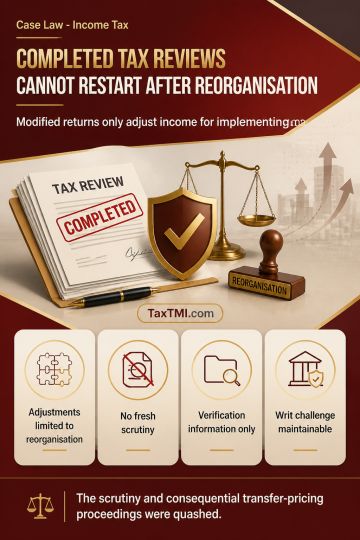
Modified returns after business reorganisations cannot trigger fresh scrutiny once the original assessment was complete, invalidating related transfer...
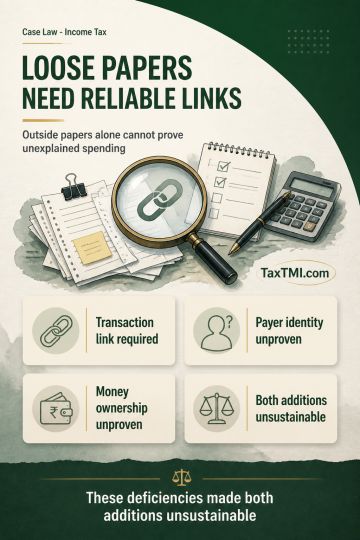
Third-party loose sheets require reliable nexus before supporting unexplained expenditure additions; presumptions do not establish payer identity or o...
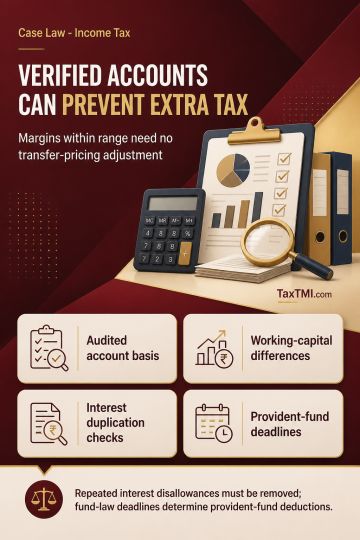
TNMM comparability using audited accounts and working-capital adjustments can eliminate unwarranted transfer-pricing additions where verified margins ...
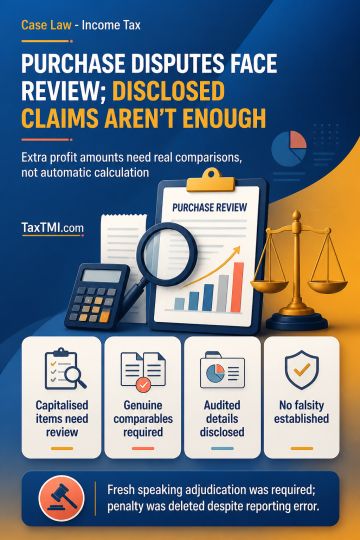
Gross-profit additions on disputed purchases require reasoned appellate determination; disclosed claims alone do not support inaccurate-particulars pe...
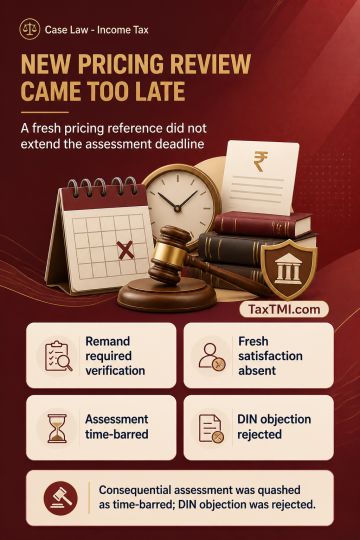
Limitation after transfer-pricing remand: fresh TPO reference did not extend the assessment deadline, rendering the consequential assessment time-barr...
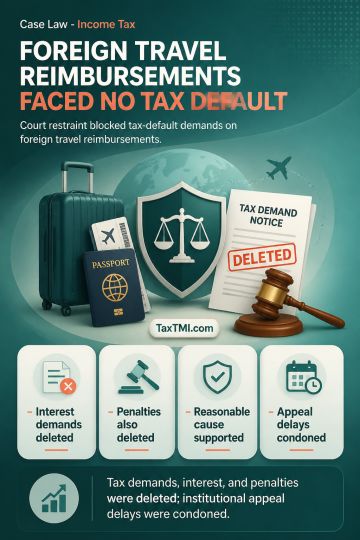
Interim judicial restraint on tax deduction prevents default, while supporting reasonable cause and penalty deletion for foreign-leg LFC reimbursement...
The AAR ruled that Logskim's stipend disbursement to trainees does not qualify as a "pure agent" service under Rule 33 of CGST Rules, as they merely act as a conduit without procuring supplies or making payments to third parties. The authority found that Logskim failed to meet key conditions of Rule 33, particularly clauses (i) and (iii). Similarly, the sale of uniforms, shoes, and insurance premiums to industry partners, even at cost without markup, is taxable since "reimbursement at actuals" alone doesn't establish pure agent status. The AAR concluded that both the stipend amounts received and passed to trainees and the sale of items to industry partners are chargeable to tax under CGST/TNGST Acts, 2017.
The AAR ruled that Logskim's stipend disbursement to trainees does not qualify as a "pure agent" service under Rule 33 of CGST Rules, as they merely act as a conduit without procuring supplies or making payments to third parties. The authority found that Logskim failed to meet key conditions of Rule 33, particularly clauses (i) and (iii). Similarly, the sale of uniforms, shoes, and insurance premiums to industry partners, even at cost without markup, is taxable since "reimbursement at actuals" alone doesn't establish pure agent status. The AAR concluded that both the stipend amounts received and passed to trainees and the sale of items to industry partners are chargeable to tax under CGST/TNGST Acts, 2017.
Note: It is a system-generated summary and is for quick reference only.
 TaxTMI
  TaxTMI
 of 4894