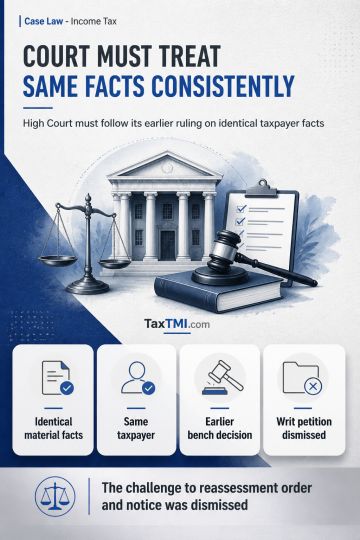
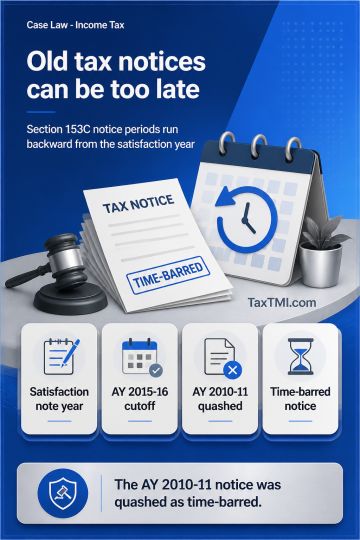
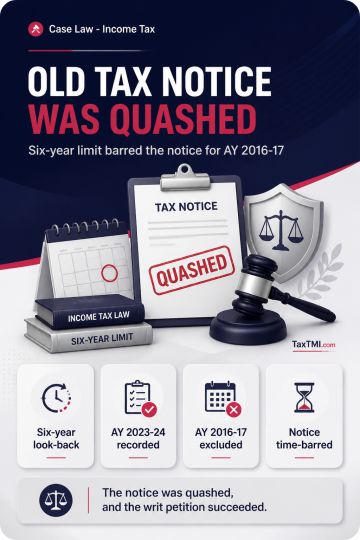
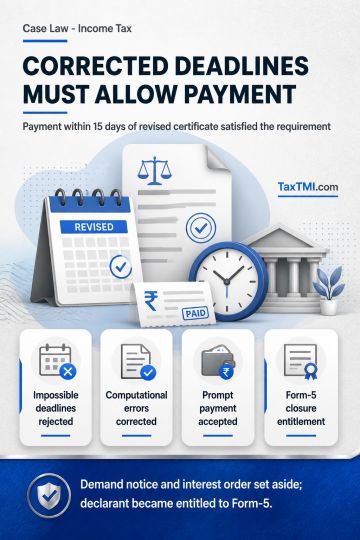
Judicial discipline requires consistent reassessment treatment where identical facts were decided for the same taxpayer in the preceding assessment ye...
HC dismissed petition challenging lower court's order allowing respondent to summon GST Department witness. Court held that since GST records were not in respondent's possession, they could rightfully request witness testimony, subject to Rs. 3,000/- costs. The principle of plaintiff's burden of proof was upheld, affirming their discretion to determine necessary witnesses and documentation. While irrelevant evidence would be disregarded, the Court maintained that plaintiffs cannot be denied their right to present their case as they deem appropriate during the evidentiary stage. The ruling emphasizes procedural fairness in evidence gathering despite potential relevancy concerns.
HC dismissed petition challenging lower court's order allowing respondent to summon GST Department witness. Court held that since GST records were not in respondent's possession, they could rightfully request witness testimony, subject to Rs. 3,000/- costs. The principle of plaintiff's burden of proof was upheld, affirming their discretion to determine necessary witnesses and documentation. While irrelevant evidence would be disregarded, the Court maintained that plaintiffs cannot be denied their right to present their case as they deem appropriate during the evidentiary stage. The ruling emphasizes procedural fairness in evidence gathering despite potential relevancy concerns.
Note: It is a system-generated summary and is for quick reference only.
 TaxTMI
  TaxTMI
 of 4886