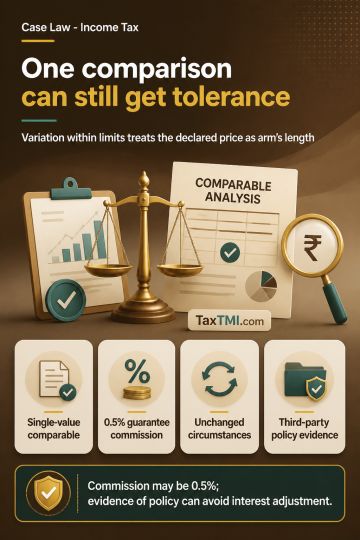
Transfer-pricing aggregation of distinct support-service and subcontract transactions was rejected, while debt-free receivables attracted no notional ...
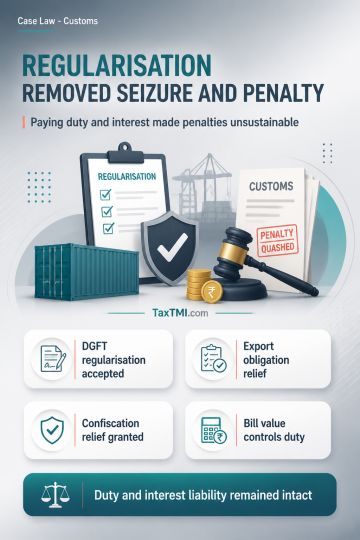
Customs exemptions cover photovoltaic assembly machinery and PVF backsheets, while fully declared cleared imports may avoid confiscation and penalties...
Specific tariff classification for LCD devices overrides treatment as electricity-meter parts, defeating differential duty, extended limitation, and p...
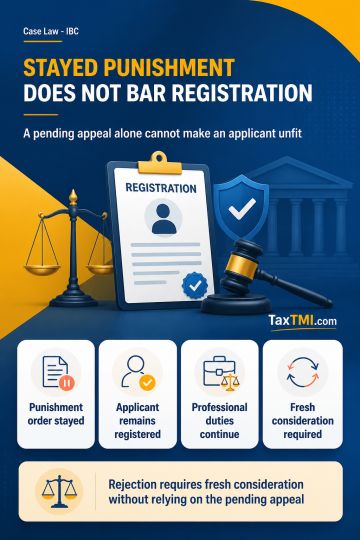
Stayed disciplinary punishment does not establish unfitness for insolvency professional registration; reconsideration must disregard mere pendency of ...
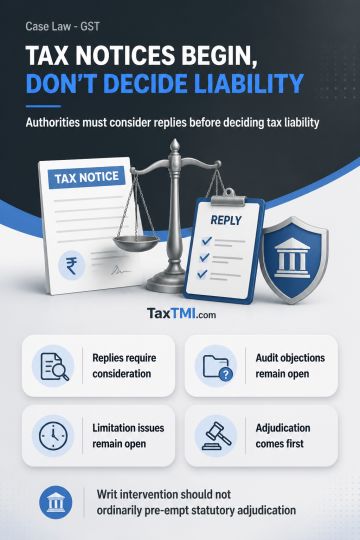
State GST authorities initiated audit proceedings where petitioner acknowledged tax shortfall based on audit findings. Subsequently, Central GST issued show cause notice on same matter. HC quashed the impugned order, holding that audit constitutes "proceedings" as per G.K. Trading Company precedent. The court determined that Central authorities' summons under section 70 was issued after state audit commenced, constituting parallel proceedings on identical subject matter. Following Liberty Oil Mills interpretation of "investigation" as evidence collection process, HC found dual proceedings impermissible. Since both state and central actions concerned same tax issues, and state proceedings began first through audit, the petition was allowed and central proceedings were invalidated.
State GST authorities initiated audit proceedings where petitioner acknowledged tax shortfall based on audit findings. Subsequently, Central GST issued show cause notice on same matter. HC quashed the impugned order, holding that audit constitutes "proceedings" as per G.K. Trading Company precedent. The court determined that Central authorities' summons under section 70 was issued after state audit commenced, constituting parallel proceedings on identical subject matter. Following Liberty Oil Mills interpretation of "investigation" as evidence collection process, HC found dual proceedings impermissible. Since both state and central actions concerned same tax issues, and state proceedings began first through audit, the petition was allowed and central proceedings were invalidated.
Note: It is a system-generated summary and is for quick reference only.
 TaxTMI
  TaxTMI
 of 4891