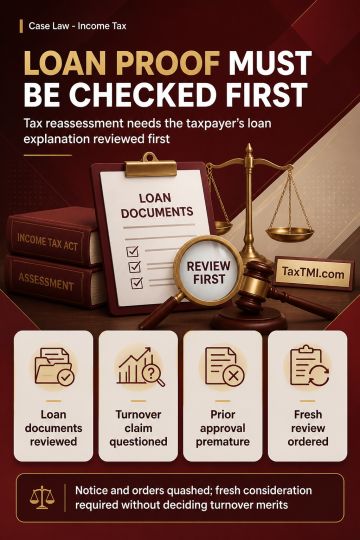
Opportunity to furnish unsecured-loan confirmations is required before reassessment initiation; proceedings require fresh consideration after taxpayer...
SC ruled that a General Power of Attorney (GPA) holder's concurrent possession of an Agreement to Sell does not automatically confer interest in the immovable property. The court emphasized that even contemporaneous execution of GPA and Agreement to Sell cannot establish the holder's interest without proper registration under Section 17(1)(b) of the Registration Act. The relationship between GPA executant and holder remains strictly principal-agent as per Contract Act principles. The mere labeling of GPA as 'irrevocable' does not make it so unless coupled with interest. The court dismissed the appeal, affirming that unregistered documents cannot create valid right, title, or interest in immovable property, thereby discouraging property transfers through GPA and Agreement to Sell route.
SC ruled that a General Power of Attorney (GPA) holder's concurrent possession of an Agreement to Sell does not automatically confer interest in the immovable property. The court emphasized that even contemporaneous execution of GPA and Agreement to Sell cannot establish the holder's interest without proper registration under Section 17(1)(b) of the Registration Act. The relationship between GPA executant and holder remains strictly principal-agent as per Contract Act principles. The mere labeling of GPA as 'irrevocable' does not make it so unless coupled with interest. The court dismissed the appeal, affirming that unregistered documents cannot create valid right, title, or interest in immovable property, thereby discouraging property transfers through GPA and Agreement to Sell route.
Note: It is a system-generated summary and is for quick reference only.
 TaxTMI
  TaxTMI
 of 4921